Two very different Mac laptops have arrived in the past month, and together they put the rest of the laptop industry in a pretty uncomfortable position.
At one end, there’s the $600 MacBook Neo: efficient, capable, and better built than almost everything else around its price. At the other end, there’s the new MacBook Pro. I’ve been benchmarking a $6,000, 16-inch M5 Max model, and the results are getting ridiculous.
Its multicore CPU performance tops the Mac charts in my testing. Its GPU beats the M2 Ultra in my $10,000 Mac Pro. And its upgraded SSD is approaching 20,000 MB per second in read and write speeds. Absurd. Also awesome, especially if you’re a creative professional.
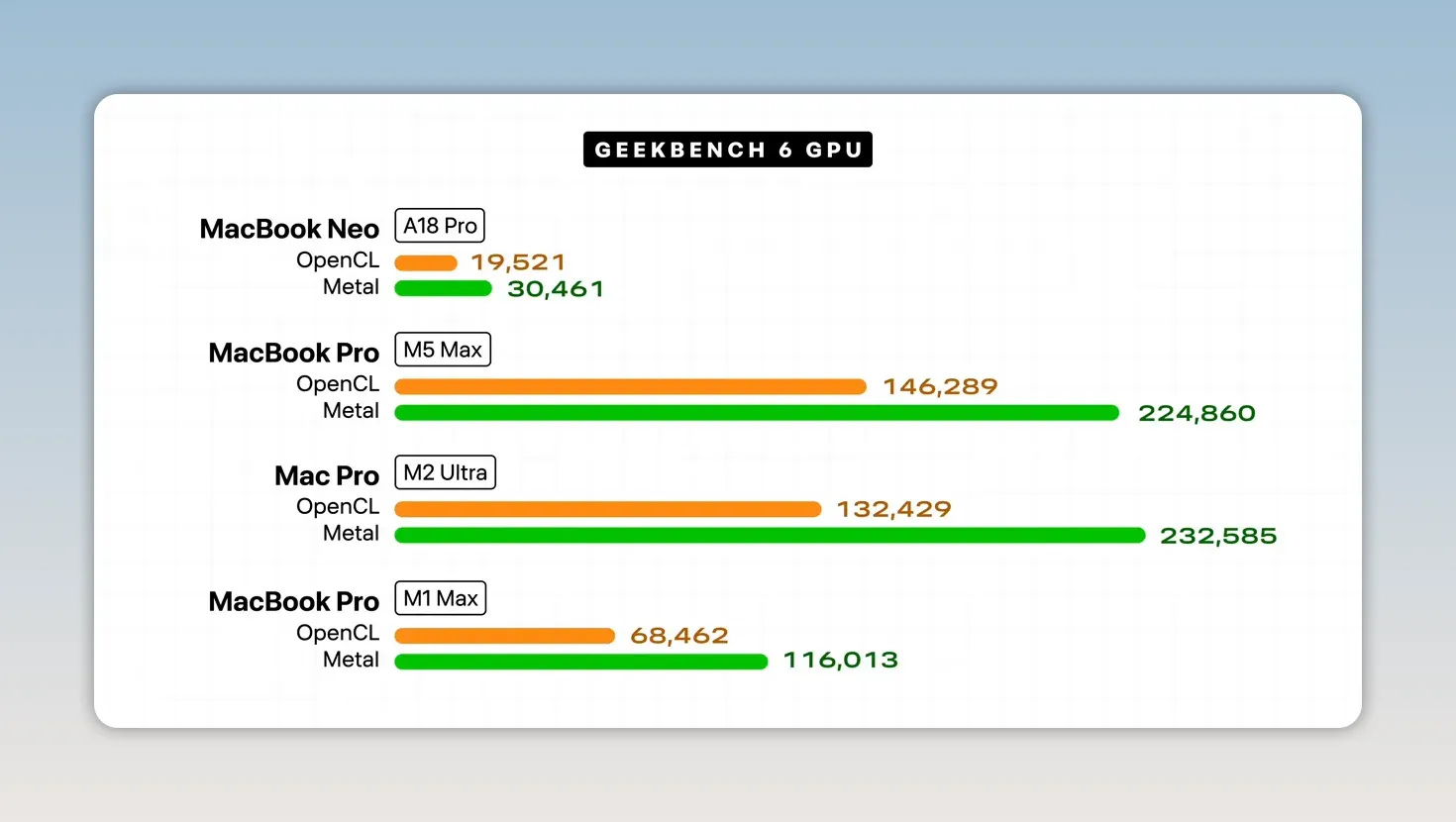
That’s pressure on Microsoft, Dell, HP, Asus, Lenovo, Razer, and pretty much everybody else selling Windows laptops. An Asus executive recently described the MacBook Neo’s arrival as a shock to the industry. And, yeah. But the interesting question is why it’s such a shock.
After getting my hands on a bunch of Windows laptops, researching them, and running benchmarks, I keep coming back to one idea: Windows versus Mac laptops is a lot like Android versus iPhone. The Windows side’s biggest advantage is variety and choice. Increasingly, that’s also the source of its biggest challenge.
Key Takeaways
- Great Windows laptops depend on hardware makers, chip suppliers, and Microsoft delivering a cohesive experience.
- Setup friction, promotions, and intrusive AI features can undermine otherwise premium Windows hardware.
- The MacBook Neo brings Apple’s integration advantages into direct competition with budget Windows laptops.
- Apple’s services business may give it more flexibility to price entry-level hardware aggressively.
The Dell XPS 14 Shows How Good Windows Hardware Can Be
Take the new Dell XPS 14. Some of my earliest computers were XPS machines, and I’ve liked plenty of them over the years.
Then Dell did that whole thing where it dropped the XPS, Latitude, and Inspiron names in favor of Dell, Dell Pro, and Dell Pro Max. For some reason. Thankfully, XPS is back, and the one I bought is genuinely nice.
The configuration I’m using has:
- A 14-inch, 2.8K tandem OLED display with thin bezels.
- A variable refresh rate up to 120 Hz.
- A webcam above the display, without a notch.
- A thin, all-metal body with soft-touch palm rests.
- A massive haptic trackpad hidden beneath that palm-rest surface.
- Three Thunderbolt ports and a headphone jack.
- An Intel Panther Lake Core Ultra 300 series processor with new integrated graphics.
- 32 GB of memory and a 1 TB SSD.
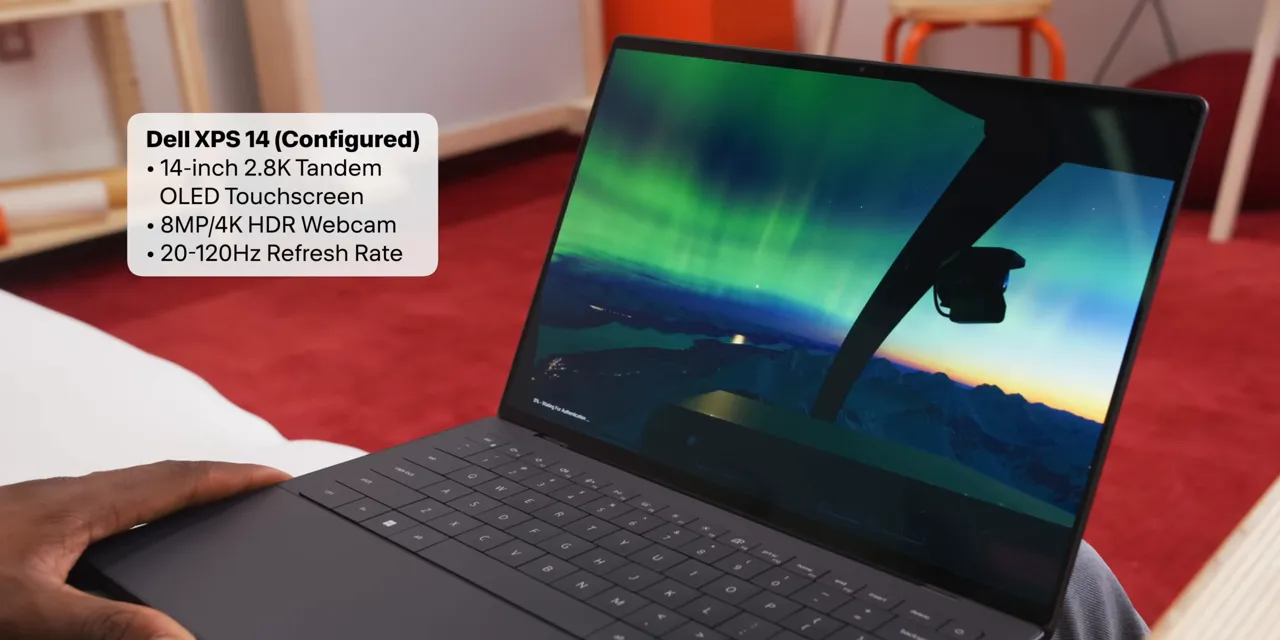
In a lot of ways, this is better than the older XPS laptops I remember liking. But it has some quirks.
Those ports are Thunderbolt 4, not Thunderbolt 5. There’s no SD card slot or other full-size port. On a premium laptop, that’s a choice. There’s also no little lip to help lift the lid, so opening it involves an awkward bit of prying every time.
The keyboard is probably its weakest point. It’s shallow, and the top function-row buttons have this slightly odd alignment relative to the keys underneath. The farther inward you look, the more noticeable it gets.
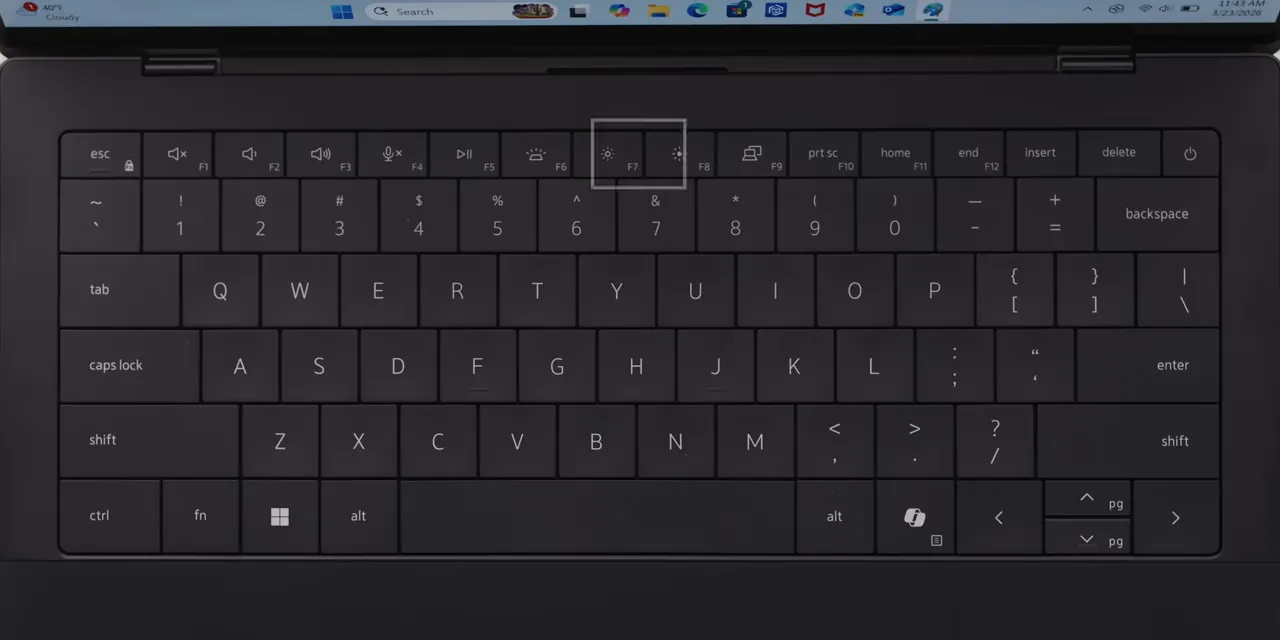
Still, overall, this is a really nice laptop. At roughly $2,200 as configured, it should be. And it’s only one of many premium Windows options.
So the problem isn’t that Windows manufacturers can’t make good hardware. They absolutely can.
A Great Windows Laptop Needs Several Companies to Get Everything Right
For that XPS to feel worth its premium price, several separate companies need to execute well at the same time.
- Dell has to commit to the design: the metal construction, the good display, the trackpad, and all the other details that make the machine feel expensive.
- Intel has to deliver a good generation of processors, including strong integrated graphics. This XPS doesn’t offer a discrete GPU, so that part really matters.
- Microsoft has to provide a Windows experience that feels worthy of the hardware, rather than one cluttered with ads and unnecessary AI features.
When all of that lines up, great. You get a laptop that feels like the complete package.
But it doesn’t always line up. And lately, Windows itself has felt like a weak link. That’s a problem no amount of beautiful aluminum can fully solve.
Premium Hardware, Not-So-Premium Software
To be clear, I don’t think Windows is fundamentally broken. It works. This isn’t a complaint that the whole operating system is wildly buggy or unusable.
It’s about the experience surrounding the work you actually bought the laptop to do.
Setting up this XPS took me about 45 minutes. There were forced updates, required sign-ins, and then a parade of prompts for Microsoft 365, OneDrive, and other services.
Then, once I finally got to the desktop, I got a McAfee security pop-up. On a brand-new laptop costing more than $2,000.
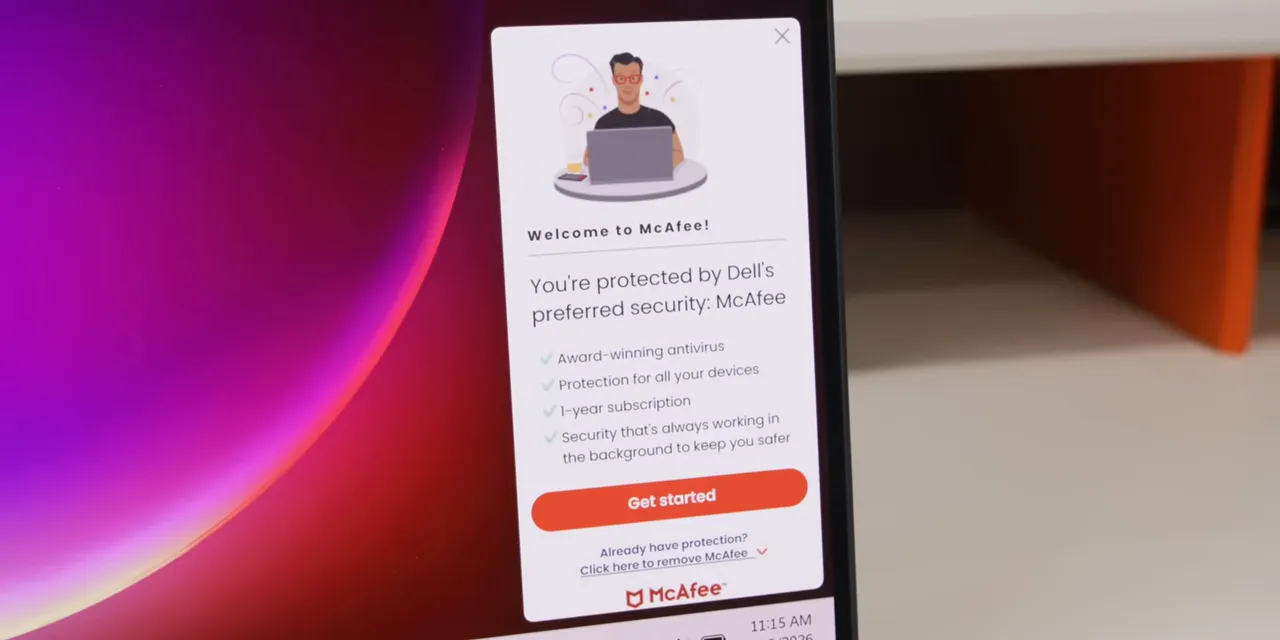
That particular pop-up is probably a Dell issue, to be fair. But that distinction illustrates the bigger problem: the customer experiences one laptop, not a collection of separate corporate responsibilities.
Then there’s Microsoft’s AI push. Copilot. The controversial Recall feature. Generative AI inside Microsoft Paint. Even the keyboard gets involved, with a dedicated Copilot key becoming part of the requirements for the AI PC classification.
Whatever that label is supposed to mean, it doesn’t automatically make a computer more pleasant to use.
Between the promotions and the AI features being pushed into everything, this doesn’t feel like a completely premium experience. And when you spend this much money, you’re allowed to be picky. You should be picky.
Apple’s Integration Advantage Isn’t Just About Speed
For years, the premium end was essentially Apple’s entire laptop business. A new MacBook started around $1,000, and prices went way up from there.
Apple has spent that time building a tightly integrated system. It designs its own silicon, designs the hardware around it, and develops the operating system that runs on top. Hardware and software are built for each other.
The result has felt efficient, clean, and fast. That combination is a big reason people love their expensive MacBook Pros. The impressive Geekbench results are part of the appeal, but the overall experience matters just as much.
That doesn’t erase the reasons to buy a high-end Windows laptop. Choice is still a real advantage, not a consolation prize.
If you want a gaming laptop with an RTX 5070 and a 240 Hz display, for example, you can get a Razer Blade. That’s a combination you don’t get in a MacBook. Specific games, applications, and hardware preferences can make Windows the obvious choice.
But each of those machines still depends on multiple companies delivering their respective pieces well. That’s a hard coordination problem at the high end.
At the low end, it becomes an economic problem, too.
Budget Windows Laptops Used to Have a Comfortable Position
People buying inexpensive laptops understand trade-offs. That’s part of the deal.
You shop around and try to find the compromises you can live with while keeping the things you care about. Maybe build quality matters less than screen size. Maybe you don’t need much performance, but you do need good battery life and useful ports.
The Acer Aspire 16 is a good example. It’s a popular laptop in this segment, and I picked one up on sale for about $550 from Amazon.
Yes, there are more stickers. Yes, there’s more plastic. The keyboard deck flexes a little, and the build quality isn’t exceptional.
But the Snapdragon chip is efficient, so battery life is good. Performance isn’t high-end, but there’s a big 16-inch screen and a useful selection of full-size ports.
For writing, web browsing, and video playback, that feels like pretty good value. Laptops like this haven’t been failing. They’ve been doing just fine at these prices.
Then a Gatorade-colored MacBook-shaped problem showed up.
The $600 MacBook Neo Changes the Comparison
The starting price for a new MacBook has dropped from roughly $1,000 to about $600, or $500 with the student discount.
That price matters. But the bigger deal is what Apple managed to preserve at that price.
The MacBook Neo feels recognizably like a more expensive Mac: clean software, a metal build, a familiar keyboard, and that same tight integration between hardware and software.
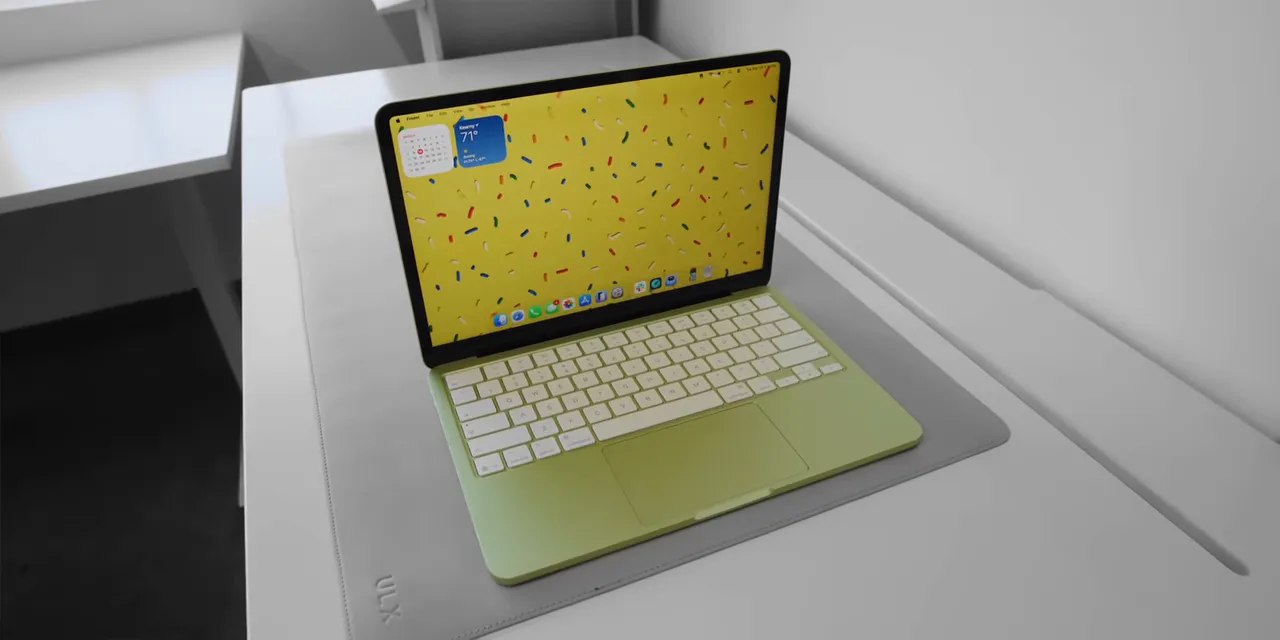
The efficiencies that helped Apple compete at the high end also work remarkably well at the low end.
That’s what makes this different from simply adding another cheap laptop to the shelf. Apple is bringing an experience people have associated with expensive computers into a price range where compromises were expected.
If you need Windows-specific software or a particular game, that requirement still comes first. The Neo doesn’t magically remove it.
But if you don’t have that requirement, the comparison gets much tougher for Windows manufacturers. A budget laptop with acceptable compromises now sits next to a $600 machine offering much of the premium Mac experience.
“Good for the money” suddenly has a higher bar.
The Business Model Makes This Even Harder to Match
A Windows laptop manufacturer isn’t just coordinating with other companies. It’s also paying them.
The companies supplying the different parts of the experience each need their own profits. That makes it difficult to build a genuinely good, inexpensive laptop while leaving enough margin for everybody involved.
Apple has a different set of advantages. It makes A18 Pro chips at enormous scale, and it controls more of the finished product. But there’s another possible advantage beyond manufacturing efficiency: Apple doesn’t necessarily need the Neo to maximize hardware profit.
My read is that the Neo also functions as a way to bring first-time Mac buyers into the Apple ecosystem.
Someone who buys an inexpensive Mac might later pay for iCloud, Apple TV+, AppleCare, or other services. That ongoing relationship can be worth more than squeezing additional margin out of the initial laptop sale.
That doesn’t tell us Apple’s exact margins or internal targets. It does explain why Apple may be comfortable pricing the Neo more aggressively than a hardware-only comparison would suggest.
And there’s already an encouraging signal for that strategy. Tim Cook recently said the Mac had its best launch week ever for first-time Mac customers.
Windows Laptop Makers Need More Than Better Specs
This isn’t a prediction that every Windows laptop is suddenly doomed. There are excellent machines, and there are plenty of legitimate reasons to choose one.
But the competitive pressure is real at both ends of the market.
At the high end, impressive hardware can still be let down by setup friction, promotions, and software that doesn’t feel as polished as its price tag demands. At the low end, Apple is applying its integration advantages to a category where Windows laptops previously had much more room to compromise.
The fascinating part is what happens next. What can Microsoft improve? What can Dell, HP, Asus, Lenovo, and the others change? Which levers can they actually pull together?
Because the answer can’t just be another spec bump. The challenge is delivering a better complete experience at a price that still works for the companies building it.
If they can’t respond, the Neo could keep taking customers from them. That industry shock could become a much bigger market-share problem.
One More Thing: Color Picker Stickers
We also just added color picker sticker packs to the merch store, and I love how they turned out. The idea is a little design-world inside joke: put the eyedropper on something colorful, and it looks like it’s sampling that object’s color. I’ve been putting them on all kinds of things. The team cooked on these.
|


