A phone with zero bezels sounds like the obvious endgame. Just a screen, corner to corner, with nothing getting between you and whatever is on it. We spent years treating smaller bezels as automatic progress, so taking them all the way down to zero should be better. Right?
Well, Tecno sent me its 0mm bezel concept phone, and the answer is a little more complicated. It looks fantastic. It also makes a surprisingly good argument for keeping a tiny bit of bezel.
How We Got Obsessed With Smaller Bezels
Remember when screen-to-body ratio was a headline number at smartphone launches? For a couple of years, every new generation brought thinner borders and a percentage that crept closer to that magical 100%. The logic was pretty straightforward: less bezel meant more screen, and more screen meant a better-looking phone.
Then we started running into the limits of display technology, and manufacturers got creative.
There were the Xiaomi Mi MIX phones, which pushed the display toward the edges in ways that felt genuinely futuristic. Samsung leaned into curved screens, making the side borders almost disappear as the display rolled over them. Eventually, we got the Xiaomi Mi MIX Alpha, a concept with a screen that wrapped around to the back. That let Xiaomi claim a screen-to-body ratio above 100%.
Pretty interesting time. Also, maybe a little carried away.
Those curved displays came with tradeoffs:
- Reduced durability.
- More reflections along the edges.
- Accidental touches where your hand met the screen.
Eventually, the curves started going away. Premium phones have largely settled on flat displays with roughly 1 to 2 millimeters of bezel all the way around. They look clean, they work well, and the borders are already incredibly small.
Yet somehow, a phone can still show up with those tiny borders and get comments calling its bezels unacceptable. That has always felt a little ridiculous to me. Sometimes it comes across as people finding a reason to complain about something they were never going to buy anyway.
So when Tecno offered to send over a concept claiming a 0-millimeter bezel, I was curious enough to say yes.
Is Tecno’s 0mm Bezel Phone Actually Bezelless?
At first glance, this is a big, premium-looking smartphone with a 6.7-inch display that seems to reach every corner. There is no obvious black border separating the content from the edge of the phone.
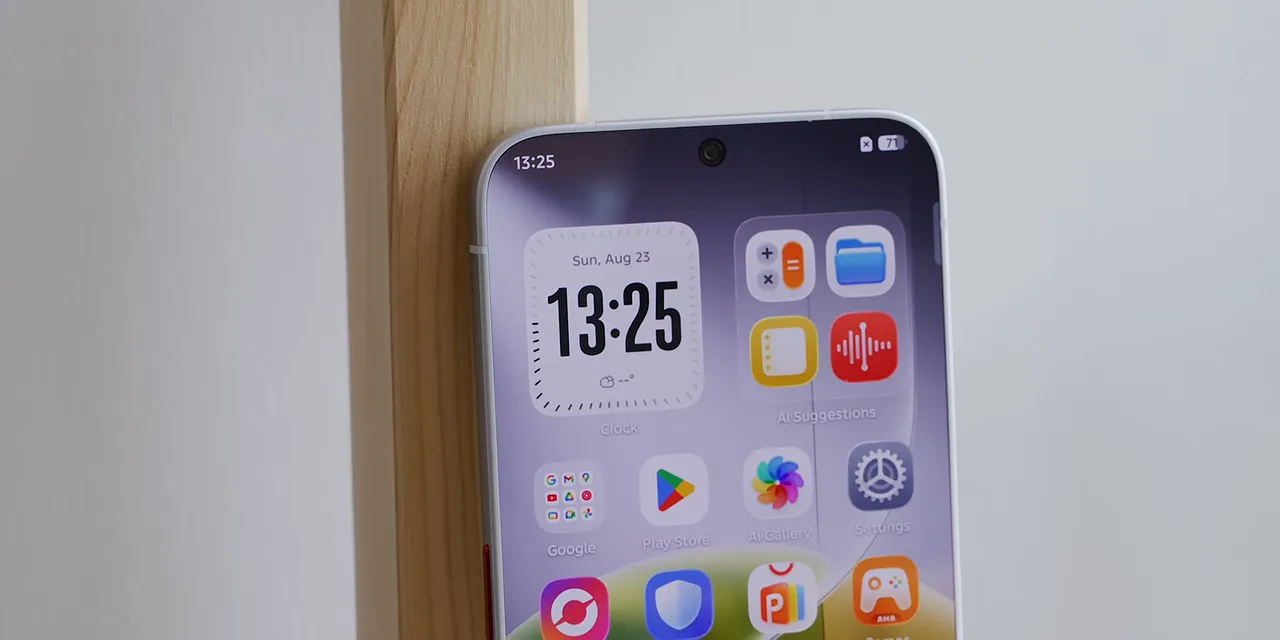
But hang on. You can still see silver around the screen. If this were truly zero bezels, wouldn’t I basically just be holding a display?
That was my first reaction, too. The important distinction is between the display’s bezel and the phone’s frame.
- The bezel is the thin black border that typically surrounds the active display.
- The frame is the structural perimeter of the phone, which is silver metal on this concept.
Those are two different things. On a conventional premium phone, you can see the black display border and then the metal frame outside it. On the Tecno concept, that visible black border appears to be gone when you look straight at the screen.

So there is a real visual difference here. This is not simply a normal phone with the same border renamed. But the way Tecno achieves the effect matters.
The Trick Is in the Display Stack
Tecno’s explanation comes down to internal display stacking. The screen itself is flat, but the surrounding frame sits slightly higher than the display surface.
Look at it head-on, and the frame hides the border. Tilt the phone far enough, though, and you can make out a tiny bit of bezel tucked underneath. I imagine removing the frame would make that hidden border more obvious, too.
In other words, the bezel has been concealed rather than completely eliminated. From the angle you normally use to look at a phone, the result is convincing.
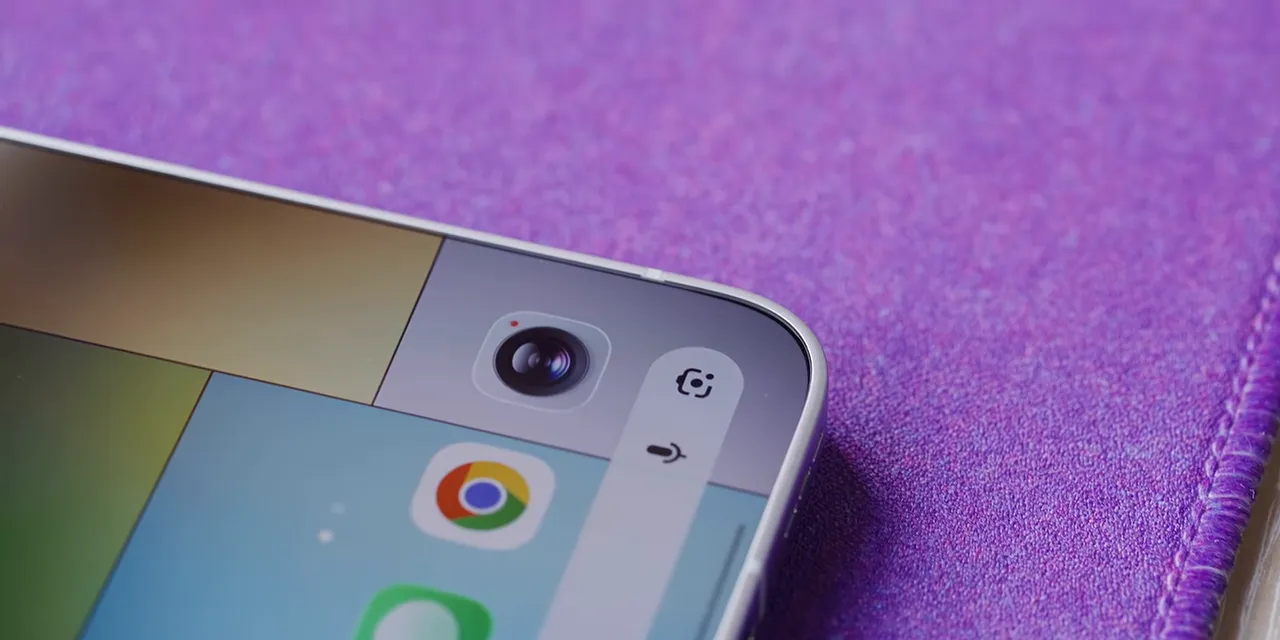
The catch is that your fingers can feel what your eyes mostly miss.
That slightly raised perimeter creates an edge all the way around the screen. Every time I swipe down from the top to open notifications, my finger drags across it. Swipe up from the bottom to go home, and there it is again.
For me, that breaks the full-screen illusion more than a tiny black border would. The phone looks seamless, but the interaction does not feel seamless.
I would rather have a little bit of bezel and a smooth transition at the edges than no visible bezel and a lip that reminds me it exists with every gesture. That is the tradeoff the headline number leaves out.
Good Specs Do Not Fix the Main Compromise
The rest of this concept is pretty solid. It is not just an empty shell built to show off a screen:
- Display: A bright 6.7-inch screen with a 144Hz refresh rate.
- Cameras: A triple-camera setup on the back.
- Battery: A 6,000mAh capacity.
- Weight: Surprisingly light in the hand.
That last part is almost surreal. It is so light that it reminds me of one of those plastic demonstration phones with no internals, even though this is a functioning device.
There is still a hole-punch selfie camera, so anyone chasing a completely uninterrupted front would probably want an under-display camera next. Zero visible bezel does not quite mean nothing but screen.
More importantly, the raised edge helps explain why this is a concept rather than a phone Tecno plans to ship. It is a very clear case of form over function.
With this implementation and today’s display technology, a little bezel gives you room for a smoother physical experience. It also gives a protective case somewhere to sit without overlapping the active display. Remove that margin, and the case becomes another design problem to solve.
Getting a number down to zero is impressive. Making the phone nicer to use is a different goal.
The Marketing Is Doing a Lot
Tecno frames this concept as much more than a design upgrade. Its press release connects removing visual borders to changing how people interact with phones in the AI era, bringing digital content and the real world closer together.
Okay. Relax a little.
I get it. A concept phone is an opportunity to show off something unique, and this certainly qualifies. It gives Tecno a design achievement to talk about. But hiding a tiny display border does not automatically redefine smartphone interaction, especially when the physical edge makes familiar gestures less comfortable.
The funny part is that there is another feature on this phone that I think deserves more attention than the marketing gives it.
The Back Might Be More Interesting Than the Front
When I pulled the phone out of its bubble-wrap sleeve, the first thing that caught my attention was not the display. It was the back.
There is this holographic, butterfly-wing-like design that seems to rise off the rear surface. To my eyes, it has actual depth, almost as though part of the pattern is coming out of the phone.
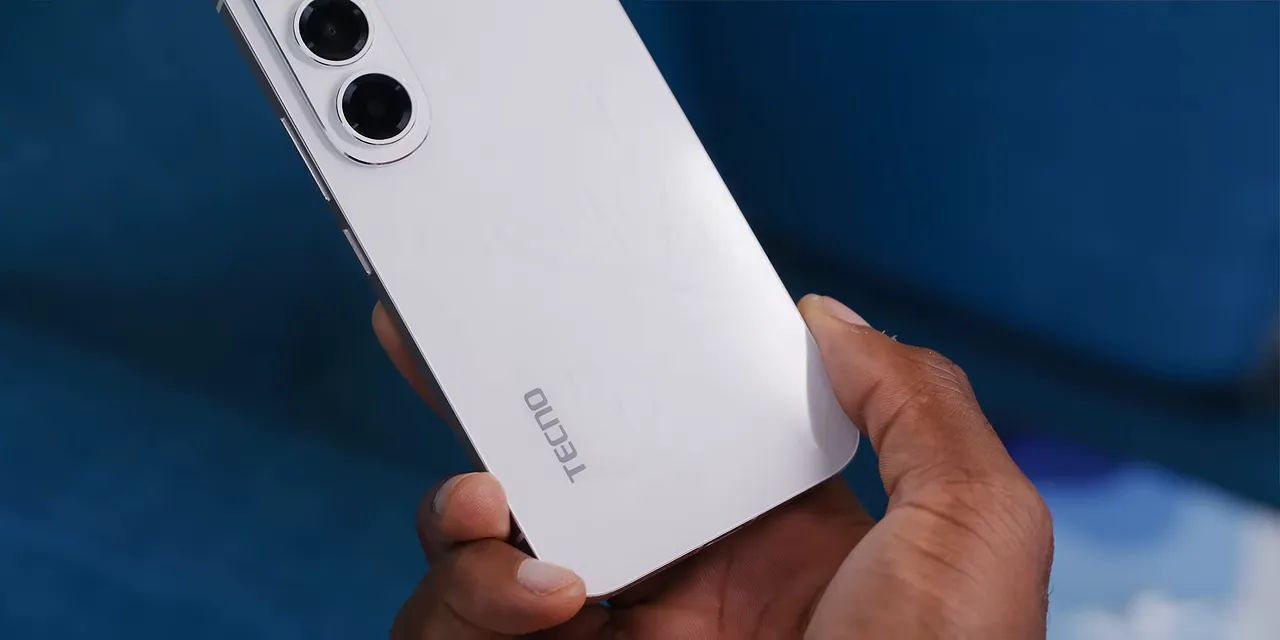
It is extremely difficult to capture accurately with a camera, but it is genuinely one of the best lenticular lens effects I have seen in person. The visual effect is wild, and arguably more interesting than the front of the phone.
If Tecno ever ships something with this finish, it absolutely needs a clear case. Covering that up would miss the point.
And that is where I land on this concept: the zero-bezel front is a cool technical demonstration, not an automatic improvement. It proves you can make the border disappear from sight, but it also shows why that last millimeter might still be useful.
A phone should feel as seamless as it looks. Until those two things line up, I am perfectly happy keeping a tiny bezel.


