The Oppo Find X9 Ultra is ridiculous. After almost a month of testing, this is the kind of maxed-out flagship that makes Samsung’s S26 Ultra feel a little less ultra.
Snapdragon 8 Elite Gen 5. A 7,050mAh battery. A big, bright 6.8-inch OLED. And a camera system built around two separate 200-megapixel sensors.
But the interesting part isn’t just the spec sheet. It’s what a phone like this says about where smartphones have landed. We’ve spent years chasing better screens, longer battery life, faster performance, tougher builds, and better cameras. Now, most of those goals feel pretty much achieved.
Except one. And depending on how we define it, I don’t think we’re ever going to get there.
Key Takeaways
- Modern flagship phones have largely achieved the everyday goals for displays, batteries, performance, and build quality.
- The Find X9 Ultra’s ambitious camera hardware delivers exceptional versatility, but processing can still be noticeable.
- A smartphone camera’s real goal should be reliable results, not replacing high-end professional equipment.
- External lenses expand smartphone photography without eliminating the distinction between phones and dedicated cameras.
What Does “Peak Smartphone” Actually Mean?
Peak smartphone is obviously a moving target. There will be a better slab phone next year. That’s not really the question.
With foldables, the finish line has been easier to describe. I called the Oppo Find N6 peak foldable because it finally felt like a great phone that happened to fold in half. The compromises had been engineered away, one by one: the front bezels, the cameras, the crease. That’s a meaningful milestone.
For regular slab phones, the evolution has been less dramatic lately. Curved screens came and went. Pop-up selfie cameras came and went. Ultrawide cameras stuck around. Through all of that experimentation, we’ve more or less settled on a default shape for a high-end smartphone.
My framework for judging one hasn’t really changed. A great phone needs five things:
- A great display
- Great battery life
- Great build quality
- Great performance
- Great cameras
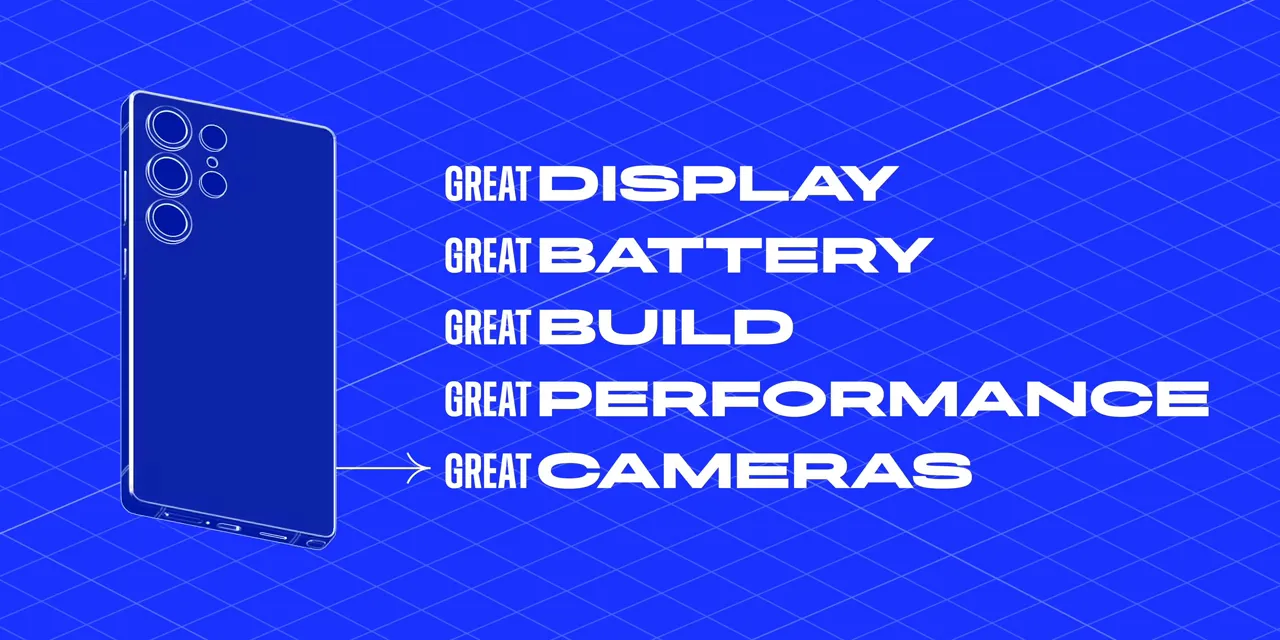
Ace all five, and you have a great phone. But each category has been improving at a different rate, and each has had a slightly different goal driving it forward.
Displays: They Look Good Almost Everywhere Now
The goal for a smartphone display has always been pretty simple: it should look good all the time.
Over the years, screens got bigger. Bezels got thinner. Manufacturers tried bending the edges, then mostly backed away from that. Now the flagship formula is familiar: a large, flat, bright OLED with high resolution, a high refresh rate, a fingerprint reader underneath, and a hole-punch selfie camera up top.
The important part is that these screens work in the situations that used to expose their weaknesses. Outside in the sun, they get bright enough to stay useful. In a dark room, modern flagships can dim down to around one nit, with high-frequency PWM dimming among the features being used to manage low-brightness behavior.
We’ll keep getting higher peak-brightness numbers, better contrast claims, and occasional genuinely interesting additions, like privacy displays on cutting-edge phones. There’s still room for progress.
But the basic goal? A flagship screen that looks good wherever you use it? Box checked.
Battery Life: The All-Day Goal Is Finally Realistic
A great battery doesn’t need a complicated definition either. I want my phone to last all day without making me think about it.
That used to be a big ask. My HTC Thunderbolt, back in the early 4G days, couldn’t even make it to the end of the school day. Battery life was terrible.
Then phones got more efficient, and batteries got bigger and denser. We went through 3,000mAh, then 3,500mAh, and kept climbing. Good screen-on time moved from two hours to three, then four, then five.
Five hours of active phone use is already a lot for a single day. But you could still drain a good phone if you pushed it.
Silicon-carbon batteries have changed that conversation again. Over roughly the last two years, we’ve seen flagship capacities move from around 5,000mAh to 6,000mAh and beyond. The Find X9 Ultra has a 7,050mAh battery. That is a lot of battery in a normal slab phone.
For regular use, phones in this class have become genuinely difficult to kill in one day. The phone that won my battery award last year consistently gave me seven to eight hours of screen-on time. In practice, that often made it a two-day phone. I could finish a normal day with 60% remaining and just skip charging overnight.
And if an unusually demanding day does drain one of these phones, fast charging is the other half of the equation. We’re talking about 100-watt wired charging, or 50-watt wireless charging like the X9 Ultra offers with the right accessories.
This isn’t a promise that no workload can ever drain a battery. It’s that the everyday goal has largely been met: use your phone normally, and it makes it through the day. Another box checked.
Performance and Build Quality: The Big Problems Are Mostly Solved
Performance Is More Than a Benchmark
Performance is slightly more subjective because software is part of it, and people have different software preferences.
Still, the fundamentals are straightforward. Give a phone a high-end chip, smooth animations, a responsive display, and a long run of software updates, and most people will feel pretty good about using it.
The year-over-year differences increasingly show up at the edges: demanding games, intensive graphics, benchmark scores. Those improvements matter, but they aren’t the same as fixing a phone that struggles with basic everyday tasks.
With a chip like the Snapdragon 8 Elite Gen 5, the Find X9 Ultra sits firmly in that high-end category. For the normal experience of using a flagship, we’re already there.
A Better Build Is Still Made of Glass
Build quality has reached a similar place. Metal rails. Solid construction. Slightly improved glass every year, which is still, importantly, glass. IP69 dust and water resistance at this end of the market.
There’s room to refine all of that, and design will always be a matter of taste. But modern high-end phones generally feel like well-built objects. Assuming you don’t hate how one looks, this pillar is in good shape too.
That leaves cameras. And this is where the definition of “great” gets messy.
The Oppo Find X9 Ultra Is Built Around Its Cameras
Phone launches used to spend a slide or two on photography. Now it can feel like the camera gets 20 slides of its own.
There’s a physical reason that emphasis is so obvious. We recently photographed the same scenes across generations of iPhones, Samsung phones, and Google phones, in daylight, low light, and backlit conditions. Sitting through photos from 17 phones in a row, one thing was impossible to miss: how enormous the camera systems have become.
We went from a tiny webcam-like pinhole to a multi-camera plateau dominating the back of the phone.
The Find X9 Ultra is that evolution taken to an extreme. The whole device feels built around the camera system, right down to the faux-leather back, orange accent, sideways Oppo and Hasselblad branding, and textured camera ring.
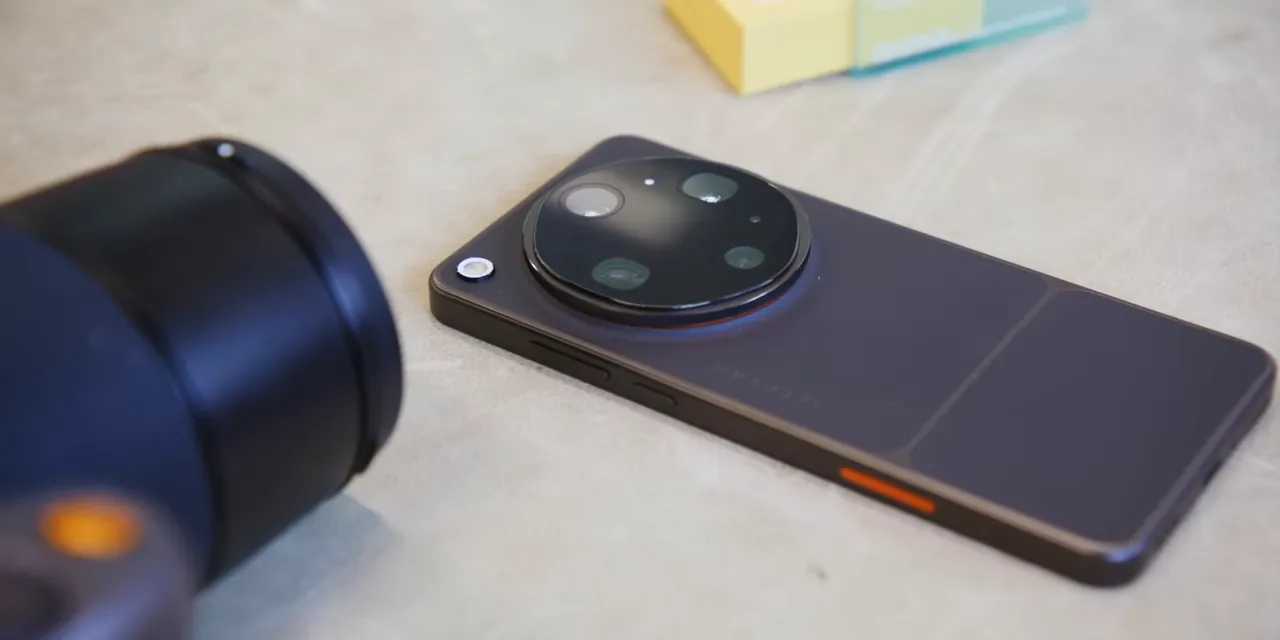
There are five rear sensors, and the hardware is among the most ambitious I’ve seen in a phone:
- 200-megapixel main camera: the largest 200-megapixel sensor I’ve seen in a phone, with a wide aperture and optical image stabilization.
- 200-megapixel 3x telephoto: the largest telephoto sensor I’ve seen in a phone, bigger than the main sensors in plenty of other phones.
- 50-megapixel 10x camera: a second dedicated zoom camera with sensor-shift stabilization.
- 50-megapixel ultrawide: the wider perspective that rounds out the focal-length options.
- Dedicated True Color sensor: intended to help deliver more accurate white balance in photos and video.
And, shocking absolutely nobody, it’s a great camera system.
The Oppo Find X9 Pro won my smartphone camera award last year. This Ultra has a lot of the same tasteful, relatively restrained processing, backed by even more impressive hardware.
“Restrained” doesn’t mean there’s no processing. You can take a photo and wait two or three seconds for the final image to finish. Sometimes the result still gets a little too HDR-heavy. But for the most part, if you can imagine a shot, there’s a good chance this phone can get it, and get it well.
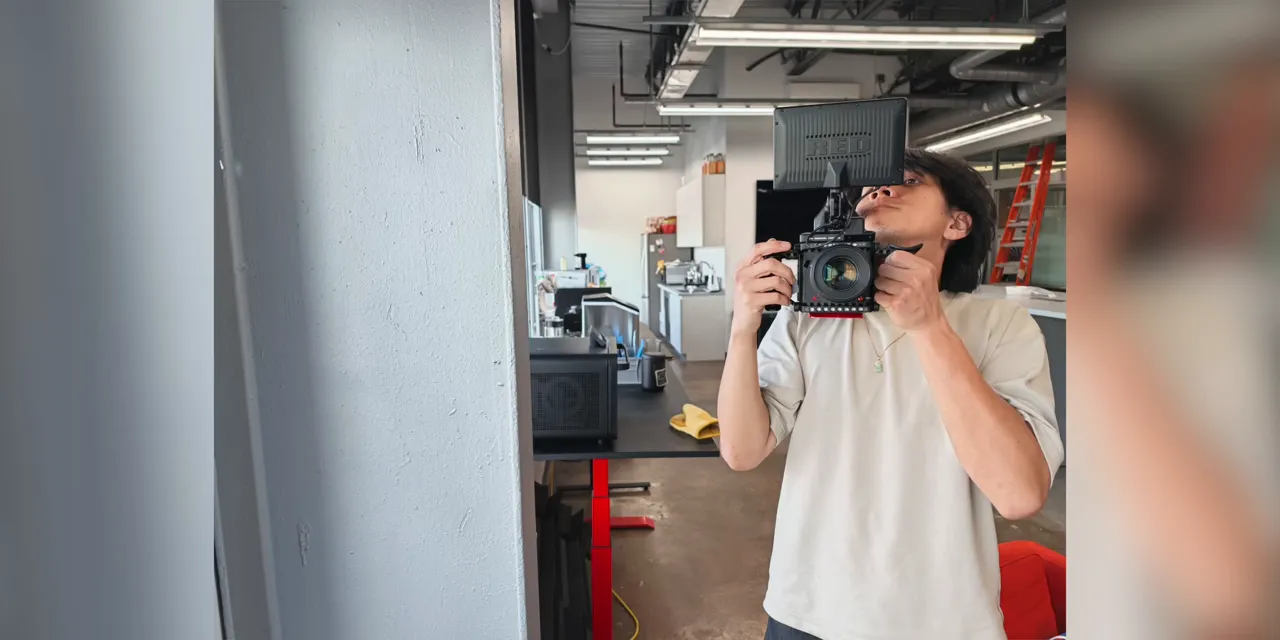
That range of focal lengths is a huge strength. But being incredibly versatile and matching a professional camera are two different things.
A Hasselblad-Inspired Phone Is Not a Hasselblad Replacement
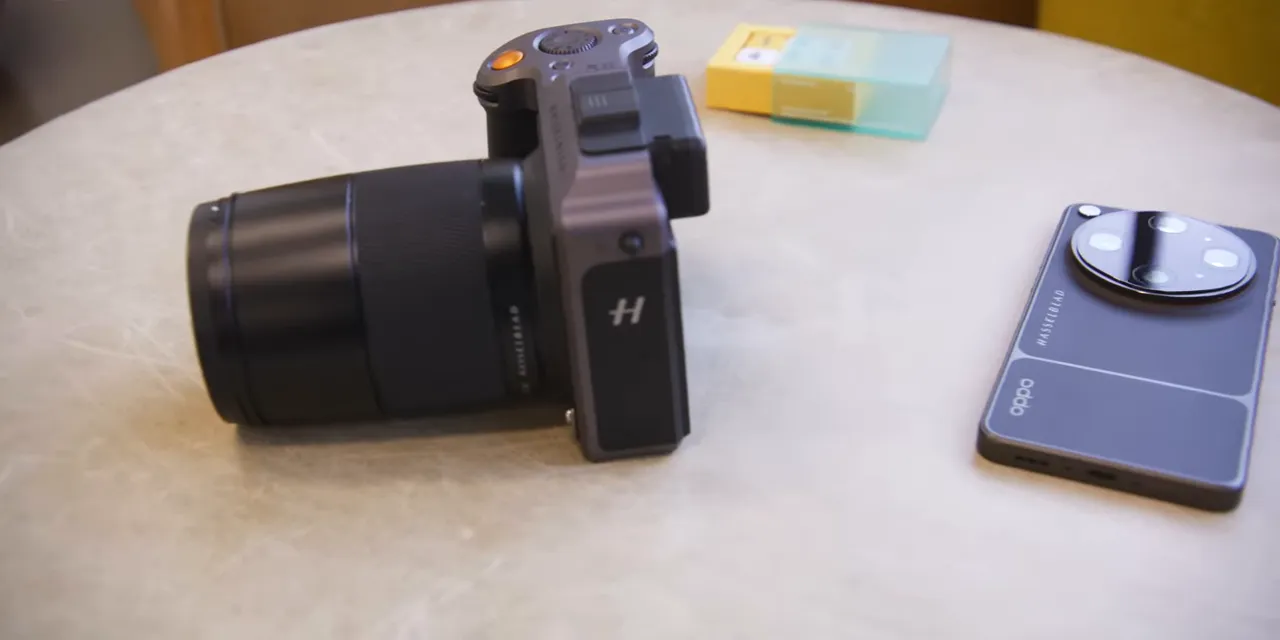
Oppo clearly wants this phone to make you think of a Hasselblad camera. The branding, the accent colors, the knurling around the camera ring: it’s all intentional. Oppo even identifies the Hasselblad X2D Mark II as a design inspiration.
I own an X2D Mark II. And these are almost opposite cameras.
The point of a great smartphone camera is to be as capable, convenient, and versatile as possible, wherever you happen to be. The computer inside is working incredibly hard to keep you from coming away with a bad photo or video.
That’s the idea behind computational photography.
The X2D Mark II is a professional, deliberate photographic tool. It doesn’t take that computational approach. It doesn’t even have a video mode. It exists for a very different kind of image-making.
So treating the phone as a direct replacement misses the point. My take is that a smartphone will never fully replace a high-end professional camera at what that camera does. There are physical limits to how much sensor and lens you can fit inside a phone. And while phone sensors improve every year, dedicated cameras improve too.
Phones may take over the role of a compact camera, something in the RX100 category, for a lot of people. But “replaces a camera I used to carry” is not the same claim as “matches a high-end professional camera.”
The Better Camera Goal: Fewer Misses, More Keepers
I think we need a more useful definition of a great smartphone camera:
It should take a really good photo or video whenever you need it.
Not win every possible image-quality comparison. Not reproduce every characteristic of a much larger sensor. Just minimize the misses and maximize the keepers.
It reminds me of the moving basketball hoop that Stuff Made Here built. The hoop adjusts so that even a terrible shot can go in. You could be wildly inconsistent and still come away thinking you’re an incredible shooter.
That’s essentially what computational photography is trying to do. Whatever the situation, whatever your skill level, the phone tries to turn the attempt into a success.
Of course, enthusiasts don’t always love the result. If the phone rescues a photo by making it look aggressively processed, that introduces a different problem. The ideal is to provide that safety net without making every image look like it went through a computational obstacle course.
Get the shot. Make it look good. Keep it looking natural. That’s the meaningful target.
The Lens Attachments Are Getting Hilariously Capable
None of this means smartphone photography can’t be fun.
Portrait mode already tries to simulate the look of a larger sensor. Hasselblad modes use lens emulation to mimic the background blur of bigger lenses. Now we’re also getting literal lens attachments to expand what the phone can capture.
Oppo and the Vivo X300 Pro are at the forefront of this, with Hasselblad and Zeiss partnerships respectively. And the accessories are kind of insane.
The Oppo setup includes a specialized case, an external lens attachment, and a battery grip with a two-stage shutter button.
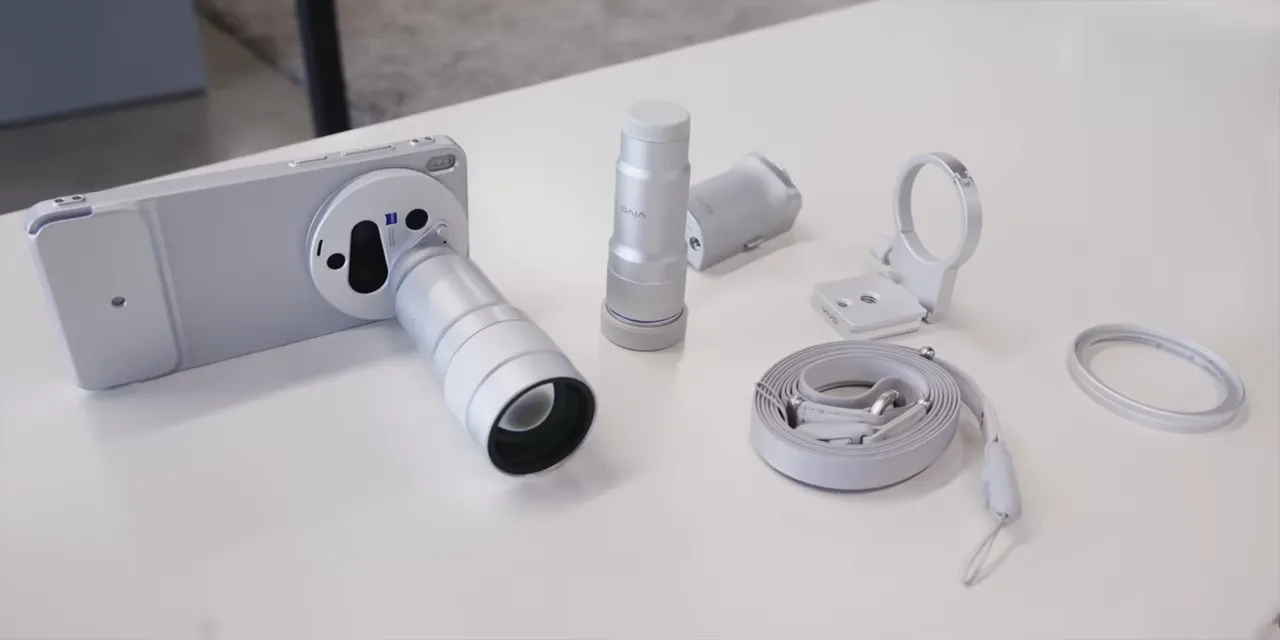
You can carry all of this around and take genuinely impressive 400mm zoom photos, then technically say you shot them on your smartphone. Which is hilarious. And also pretty cool.
But the achievement is still about expanding the phone’s versatility. As capable as these systems have become, they’re still reaching toward the characteristics of dedicated camera equipment.
Peak Smartphone Is About Being Enough, Not Replacing Everything
This whole conversation reminds me of trying to turn an iPad into a laptop.
You can get surprisingly close. There’s multi-window support, a mostly desktop-class browser, a file manager, and a keyboard. Ignore the occasionally awkward weight distribution, and sure, it’s kind of a laptop.
But that doesn’t make it a one-to-one replacement for a high-end professional laptop. The software and the overall experience still aren’t identical.
For everyday tasks, though? Social media, browsing, word processing, entertainment, and even some light photo and video editing? It can be as good as many people will ever need.
That’s where smartphone cameras are now.
Professional cameras still have their place. I still use them for my main productions, and hobbyists and professionals will keep appreciating what they do differently. At the same time, I keep shooting Auto Focus exclusively on smartphones because it’s fun, and because it demonstrates how capable these cameras have become. The Auto Focus episode shot on the Find X9 Ultra is a good example of what this phone’s video can deliver.
So, is this peak smartphone? For now, it looks a lot like it: a great display, a huge battery, excellent performance, a solid build, and a wildly versatile camera system.
The mistake is making the final requirement “become a professional camera.” A better goal is a phone that reliably gets a great result when you pull it out of your pocket.
By that definition, we’re a lot closer than the size of that camera bump might suggest.


