Nothing has a new phone, the Phone 4b. Naturally, the first question is: What does the B stand for?
The official answer is nothing. Numbers identify generations, letters identify product segments, and the B Series expands the lineup while maintaining a clear hierarchy. Which is a lot of marketing language to avoid a pretty simple explanation.
Nothing has its highest-end phone, the Phone 3. Below that is the cheaper A Series. And now, below that, is the even cheaper B Series.
I think we can safely call B “budget.” And honestly, that’s not an insult. At €330 or £300, the Nothing Phone 4b has quite a bit going for it. It isn’t launching in the US, but in markets such as Europe and India, it’s entering a competitive price bracket with a surprisingly complete version of the Nothing experience.
Quick Summary
- The €330 or £300 Phone 4b brings Nothing’s full software experience to a lower price bracket.
- A responsive 120Hz OLED and strong battery life are its biggest everyday strengths.
- Basic cameras, weak haptics, and easily scuffed plastic make the budget compromises clear.
- Lower-end processing and UFS 2.2 storage raise concerns about long-term performance.
Where the Phone 4b Fits, and My CMF Theory
I’ve had a theory about Nothing for a while: At its current volume, the company’s costs make it difficult to build a truly competitive high-end flagship. So instead of going all-in there, it keeps finding other price brackets where its phones make more sense.
The Phone 4b fits that pattern. But I have another theory about this particular phone: I think it may have started life as a CMF Phone 3 Pro.
To be clear, that is speculation, not something Nothing has confirmed. CMF is Nothing’s even more affordable sub-brand, and it has made some really good phones below $300. With memory prices spiking and pushing up the bill of materials, I can imagine a planned CMF phone becoming just a little too expensive for that brand.
The solution? Make it a slightly more premium, slightly more expensive Nothing phone instead.
There are things about the 4b that fit that idea, and things that don’t. But whatever path brought it here, the actual question is whether the finished phone makes the right compromises.
Design: A Simpler Version of Nothing
The Phone 4b looks like a more restrained Nothing phone. It’s big, with a roughly 6.8-inch screen, but the transparent detailing is concentrated in the upper portion of the back rather than spread across the whole thing.
That clear window gives you texture, exposed screws, metal-looking components, and Glyph lights along one side. The rest is much plainer.
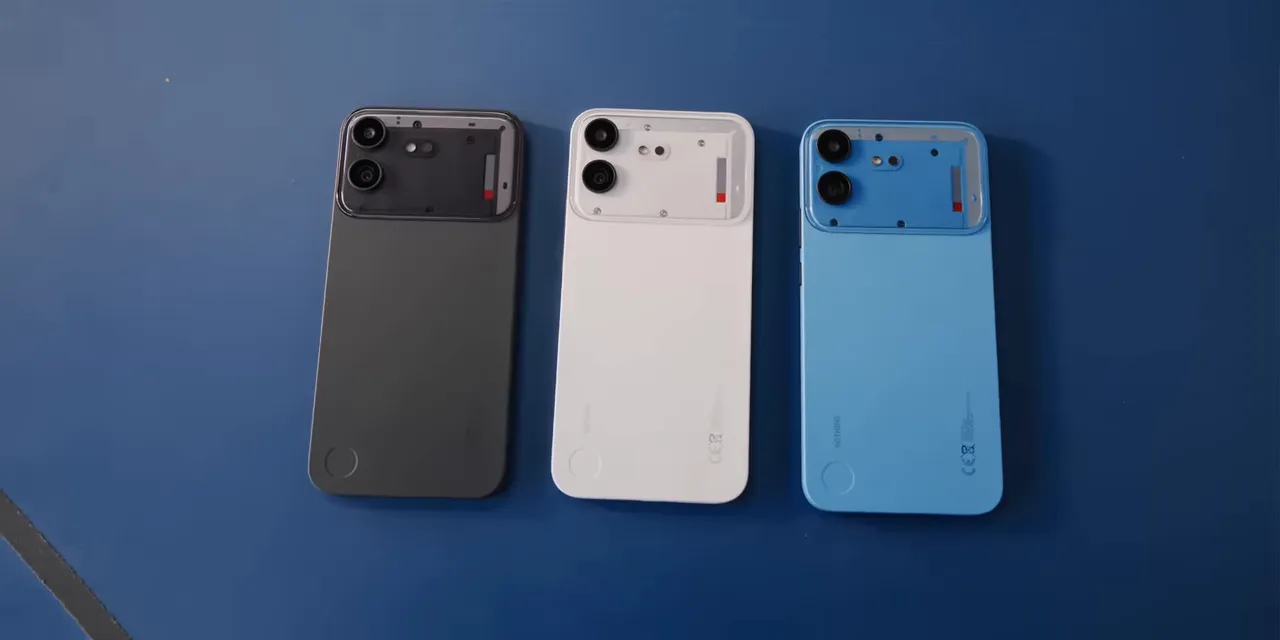
The entire build is plastic, and it definitely feels like plastic. Still, the clear upper section has a glassy look that adds a little of the premium, industrial character Nothing is known for.
It comes in blue, black, and white, all with black buttons on the flat sides. I like that contrast. It’s a small detail, but it helps the phone feel intentionally designed rather than merely stripped down.
The Display Gets the Fundamentals Right
The display is probably the best little snapshot of how this phone works: Keep the important premium fundamentals, then save money in places people either won’t notice or won’t mind.
Here’s what you get:
- A 6.77-inch AMOLED display.
- A 120Hz refresh rate using an LTPS panel.
- A resolution above 1080p, but below 1440p.
- Higher-frequency PWM dimming.
- A quoted 1,000Hz touch sampling rate.
Those are good ingredients. The screen has the contrast you want from OLED, it looks good, and it’s readable in most places.
Then there are the savings. This isn’t a flexible OLED panel, so there’s a slightly larger chin at the bottom. The bezels aren’t perfectly uniform. The screen’s handling of glare is also noticeably worse than on more premium phones.
The optical in-display fingerprint reader sits a little low, and it’s slower than an ultrasonic reader. None of that is especially surprising at this price. More importantly, none of it ruins the basic experience.
The display isn’t flagship-grade, but it’s well judged. I’d much rather have a good high-refresh-rate OLED with a slightly uneven border than lose the fundamentals just to make the border prettier.
Cameras: Two Useful Lenses, Modest Expectations
On the back, there’s a primary camera and an ultrawide. That’s it. No extra lens included just to make the camera count sound more impressive.
For a two-camera setup, I think that’s the right combination.
The main camera is 50 megapixels, produces roughly 12-megapixel images through pixel binning, and has optical image stabilization. It uses a physically small Samsung sensor, smaller even than the telephoto sensors in quite a few flagship phones.
Nothing’s processing does a decent job with what it has. In excellent light, you can get perfectly acceptable photos.
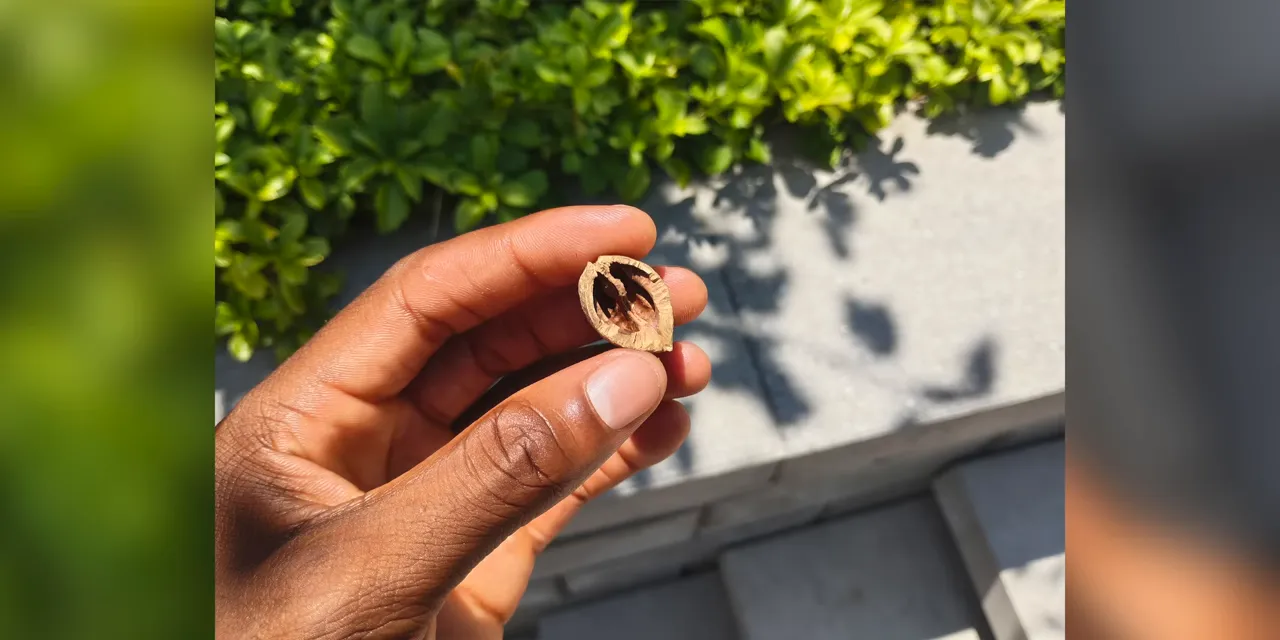
As the light disappears, the limits become much more obvious. Don’t expect fast shutter speeds or impressively clean, low-noise images. Colors can get a little dull, too.
The 8-megapixel ultrawide is even more basic. I haven’t gotten a shot with truly sharp corners, even with good lighting and careful framing. But I’d still rather have the option than have no ultrawide at all.
So these cameras aren’t a reason to run out and buy the phone. They’re good enough not to be a dealbreaker at this price. If camera quality is your main priority, I’d be looking toward something like a Pixel 10a or an older phone with a stronger camera system, rather than this Nothing phone.
Performance: Better to Use Than the Chip Suggests
The Snapdragon 6 Gen 4 is a midrange-to-lower-end chip, and its CPU benchmark results put the situation into perspective pretty quickly. They land in the neighborhood of the OnePlus 7 Pro, a flagship from seven years ago, and aren’t too far from Tensor G2 territory.
The OnePlus 7 Pro was a great phone. But, you know, seven years ago.
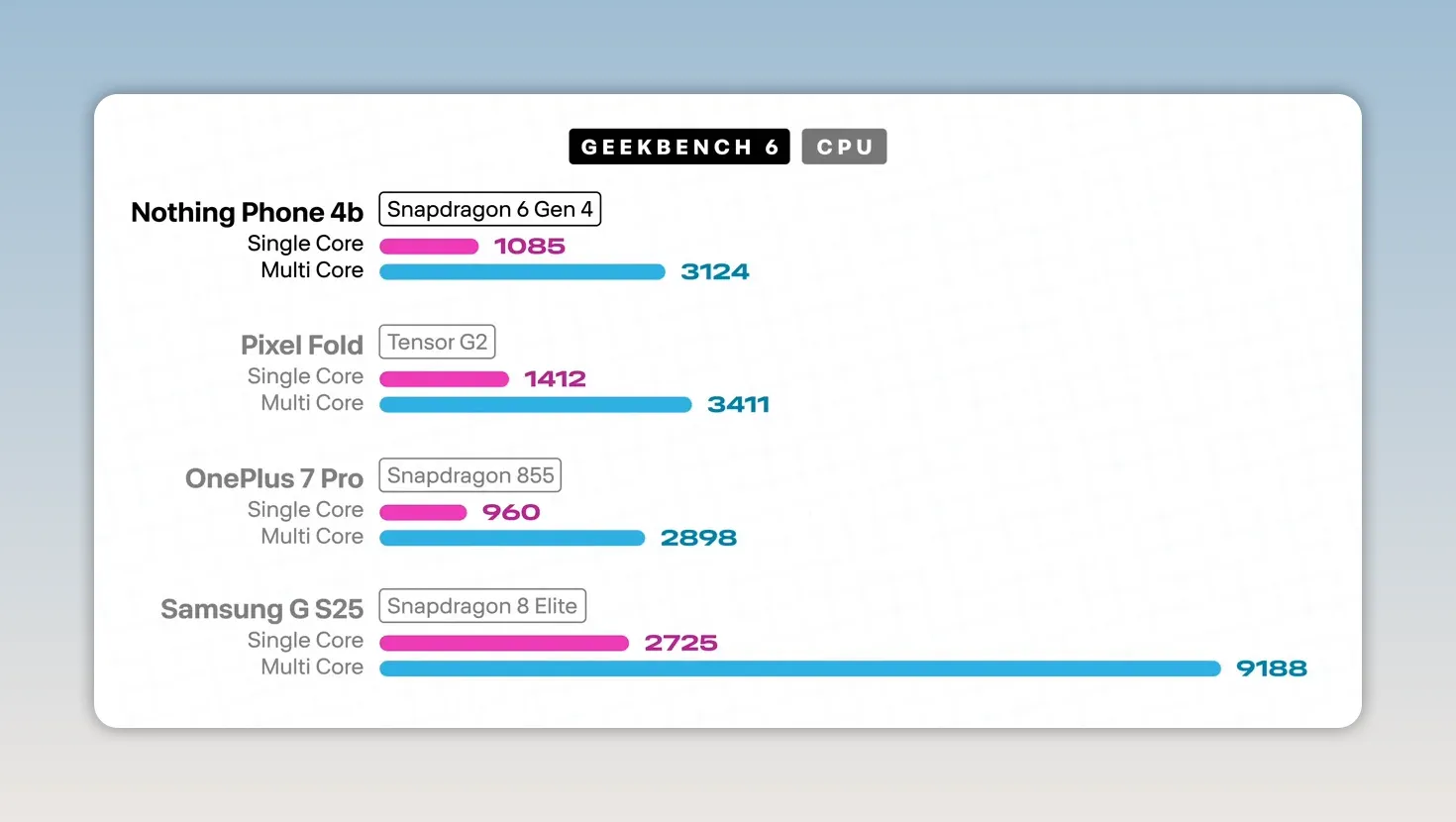
The GPU does beat the old Snapdragon 855 in the OnePlus, and a larger, more modern vapor chamber helps with sustained performance. There is enough here for some gaming. Just keep the price class in mind.
But here’s the interesting part: The software feels like it overperforms the chip.
When I started testing the phone, an update to Nothing OS 4.1 was waiting right out of the box. I installed it, and the experience has been mostly smooth ever since. There’s a new custom CPU scheduler, and Nothing’s software optimization continues to be a strength.
Combine that with the high-refresh-rate OLED and responsive touch input, and this feels near the top of its price class for responsiveness. Apps generally open pretty quickly, and moving around the interface feels good.
It isn’t magic. There are occasional stutters, and sometimes you’re reminded that this is not a high-end chip. But overall, it feels better than the benchmark comparison might have you expecting.
The Full Nothing OS Experience Is Still Here
What I’m happiest about is that the 4b doesn’t appear to be missing the software features that make the more expensive Nothing phones appealing.
The near-stock Android foundation, slightly customized interface, widgets, dots, icon packs, and personalization are all here. So are the continuing additions to Nothing’s AI toolkit and Essential Space.
Nothing keeps building on those features every few months, and that work is reaching all the way down to the B Series. You aren’t buying the cheapest phone and getting a hollowed-out version of the software.
That matters because Nothing OS is one of my favorite Android skins, if you want to call it a skin. The hardware is cheaper, but the personality hasn’t been removed.
The Perks: Battery Life, Stereo Speakers, and Glyph Lights
Beyond the screen and software, there are a few genuinely useful extras here.
Battery Life Is a Standout
The standard version has a 5,200mAh battery, while the Indian-market version gets 6,000mAh. Battery life has been one of the strongest parts of my experience.
Over several days of use, this has easily been a day-and-a-half phone. With lighter usage, two days is realistic.
Charging tops out at 33 watts, so it isn’t setting any speed records. But the capacity, including the biggest battery offered in a Nothing phone so far in the Indian version, is a real perk.
Actual Stereo Speakers and Splash Resistance
The Phone 4b has an IP64 rating, so a few splashes shouldn’t be a problem. That’s splash resistance, not an invitation to submerge it. The IP rating system is worth understanding if water protection matters to you.
It also has true stereo speakers. One is on the bottom, and the other is a separate little opening at the top, not the earpiece. Cover one and you can still hear the other.
We apparently live in a world where that deserves explicit praise, even compared with some $900 phones. But here we are.
The Glyph Lights Still Have a Job
Yes, the Glyph lights are still here. I don’t personally use them as much as some people might, but they remain part of the Nothing character.
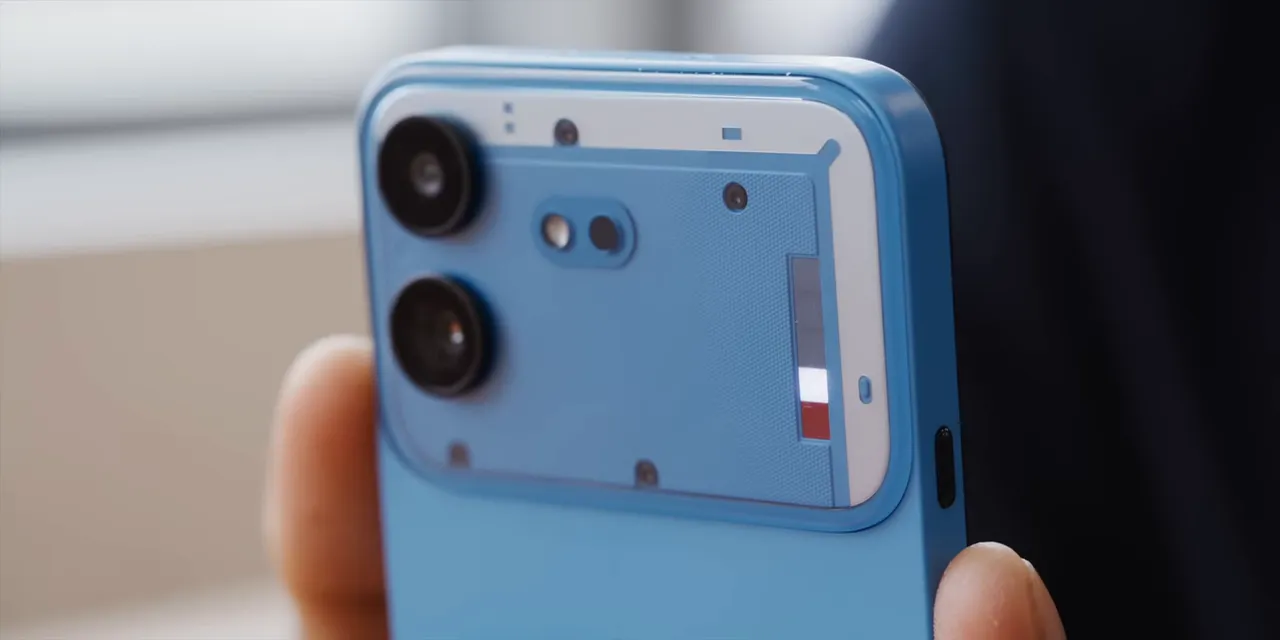
They’re actually brighter than the lights on the Phone 4a. They work as notification LEDs, and there’s still a blinking red recording light when you’re capturing video. It’s a small touch, but this phone hasn’t lost that recognizable Nothing identity.
The Shortcomings You Should Actually Care About
Of course, the price has to come from somewhere. Some of the compromises are easy to accept. Others deserve more attention.
- No wireless charging. Not a shock at this price, but worth knowing.
- No NFC on the Indian-market version. That omission is more surprising, and could matter a lot depending on how you use your phone.
- Weak haptics. The vibration motor feels mushy and low quality. Typing vibration is disabled by default, which feels pretty telling.
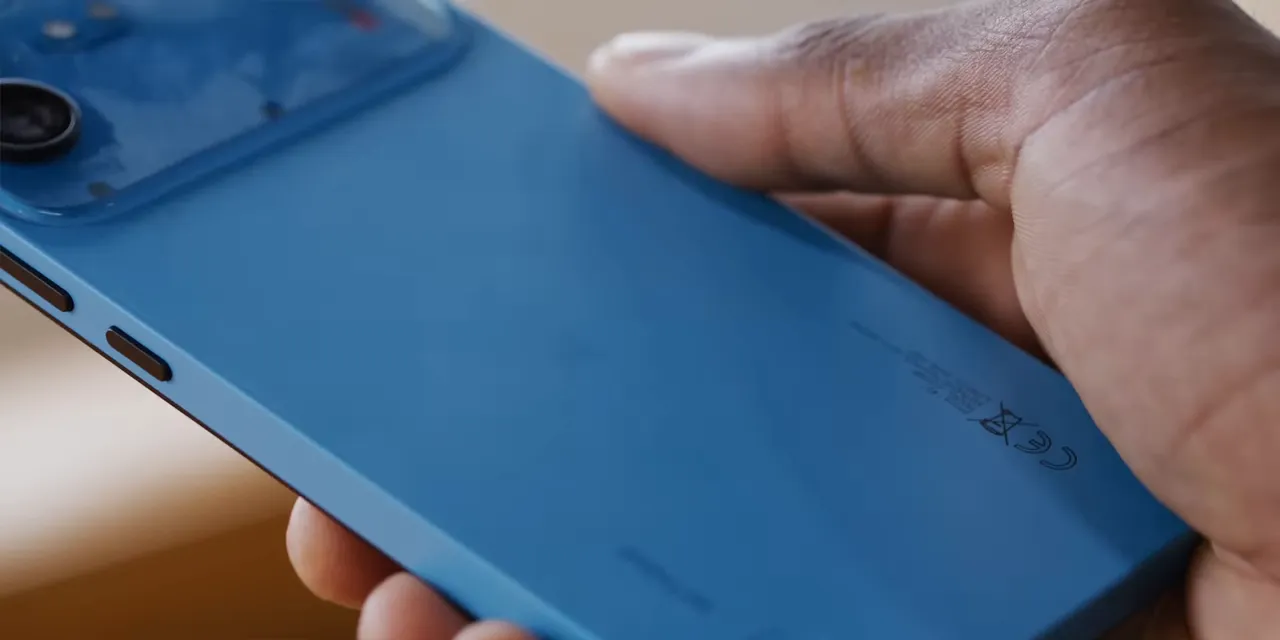
- A plastic finish that wears easily. My blue unit started showing scuffs early in testing.
- Limited performance headroom. The Snapdragon 6 Gen 4 and slower UFS 2.2 storage don’t inspire huge confidence for five or six years down the road.
The durability concern is more about how the phone looks with use than how it feels on day one. I’ve mostly used the blue version, and it’s already picked up visible wear. The white one may hide that better, and if you always use a case, you may not care at all.
The long-term performance concern is a prediction, not a completed longevity test. Still, when you start with lower-end processing, UFS 2.2 storage, and a slower optical fingerprint reader, there isn’t a huge amount of extra headroom to grow into.
It feels good now. I’m less confident it will feel equally good five or six years from now.
Verdict: Budget Isn’t a Bad Word
Here’s the simplest way to decide whether the Nothing Phone 4b belongs on your list: Do its strengths interest you, and do any of its weaknesses actually break the deal?
If you want a high-refresh-rate OLED, excellent battery life, distinctive styling, stereo speakers, and the complete Nothing OS experience, there’s a lot here for €330 or £300.
If you need stronger cameras, premium haptics, wireless charging, or more confidence in long-term performance, those are good reasons to spend more or look elsewhere. In India, the missing NFC deserves its own check before buying.
But if those compromises don’t bother you, the 4b makes a lot of sense. It brings the best parts of Nothing’s software and a recognizable slice of its hardware identity to another price bracket.
Nothing doesn’t need to be allergic to calling that budget. An affordable phone can still be thoughtfully designed, enjoyable to use, and a genuinely good deal.
B can stand for budget. It can also stand for bang for the buck.


