Every year, I think this is going to be the year Google takes the leap. The year it decides that clever software should come with genuinely ambitious hardware. And every year, the new Pixels arrive, and the answer is pretty much the same.
For 2026, we have the Pixel 11, Pixel 11 Pro, Pixel 11 Pro XL, and Pixel 11 Pro Fold. There are new cameras, brighter screens, a new Tensor chip, and even a little multicolored light on the back. There are also higher prices.
These are first impressions, not a final verdict. Camera testing, benchmarks, and everyday battery life still need real time. But the initial impression is familiar: the Pixel 11 series is a frustratingly incremental improvement over the Pixel 10 series. And one tiny new feature tells that story particularly well.
Quick Summary
- The Pixel 11 series brings incremental hardware upgrades alongside higher starting prices.
- Highlight’s rear LED supports Gemini and contact-specific call alerts, but not general notifications.
- The entry-level Pixel 11 Pro drops to 12GB of RAM despite its price increase.
- Pixel software remains the main attraction, while the base Pixel offers the strongest initial value.
Table of Contents
- Highlight: Interesting Hardware, Barely Any Freedom
- Pixel 11: The Most Sensible One Gets More Expensive
- Pixel 11 Pro and Pro XL: Brighter Screens, an Awkward RAM Trade-Off
- Pixel 11 Pro Fold: Better, but Not a Big Step Forward
- The Software Is Still the Reason to Buy a Pixel
- Pixel Watch 5 and Google Tag
- The Early Verdict: The Base Pixel Makes the Strongest Case
- Sponsor: dbrand Cases for the New Pixels
Highlight: Interesting Hardware, Barely Any Freedom
The rumors about a glowing light on the back of the new Pixels were real. Every new model, from the base Pixel 11 through the Pro Fold, gets a multicolored LED integrated with the camera flash. Google calls it Highlight.
It is subtle, but it can get bright, change colors, and pulse. That sounds like a neat little addition. So what can you actually do with it?
- Have it glow while you talk to Gemini.
- Assign a color to a specific contact so it lights up when that person calls.
That is the list.
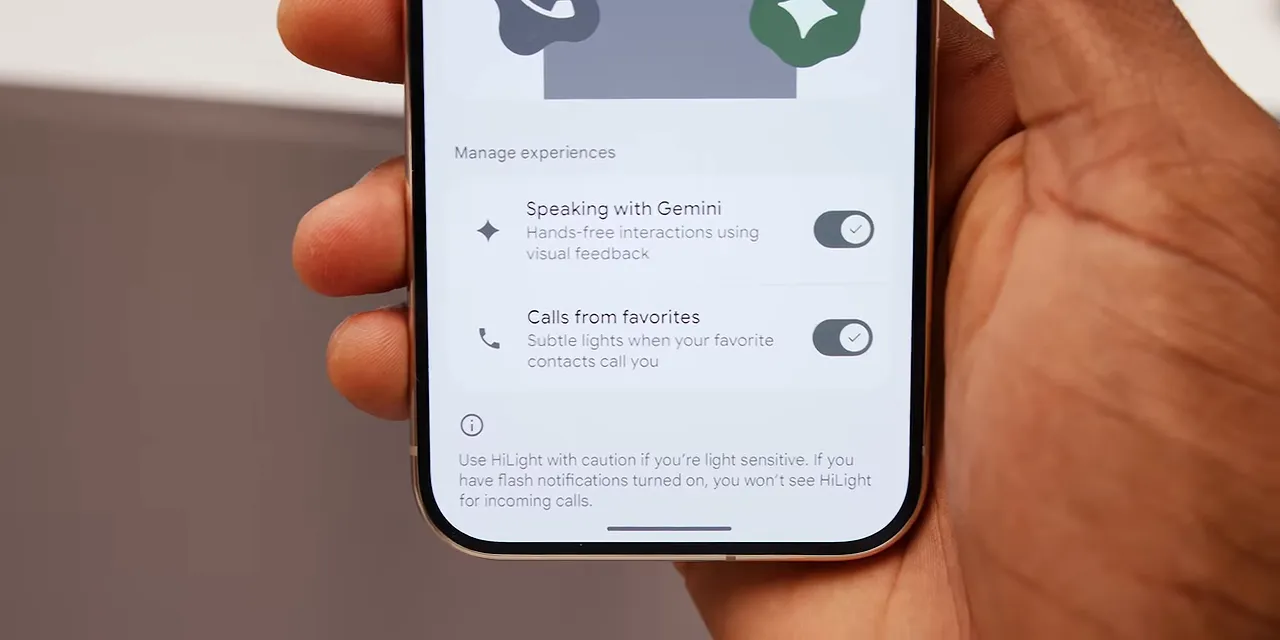
No text-message alerts. No general notification light. No third-party developer support. Google added a brand-new piece of hardware and then gave it an incredibly narrow job.
Companies like Nothing have made rear-facing information a big part of their identity: leave the phone face down and still get useful signals without picking it up. Google does not need to build that entire system. Just bringing back the colored notification LEDs we had years ago would have been useful.
Instead, we get Gemini and phone calls. For a company whose whole phone identity is clever software, this feels surprisingly underbaked.
Pixel 11: The Most Sensible One Gets More Expensive
The base Pixel 11 still looks recognizably, comfortably Pixel. Same general shape, same familiar silhouette, and a very bright new Fuchsia color.
The camera bump protrudes a little less this year. Google’s first-party case takes advantage of that by bringing the back up to approximately the same thickness as the camera bar. With the case on, the bump effectively disappears. Small change, genuinely nice.
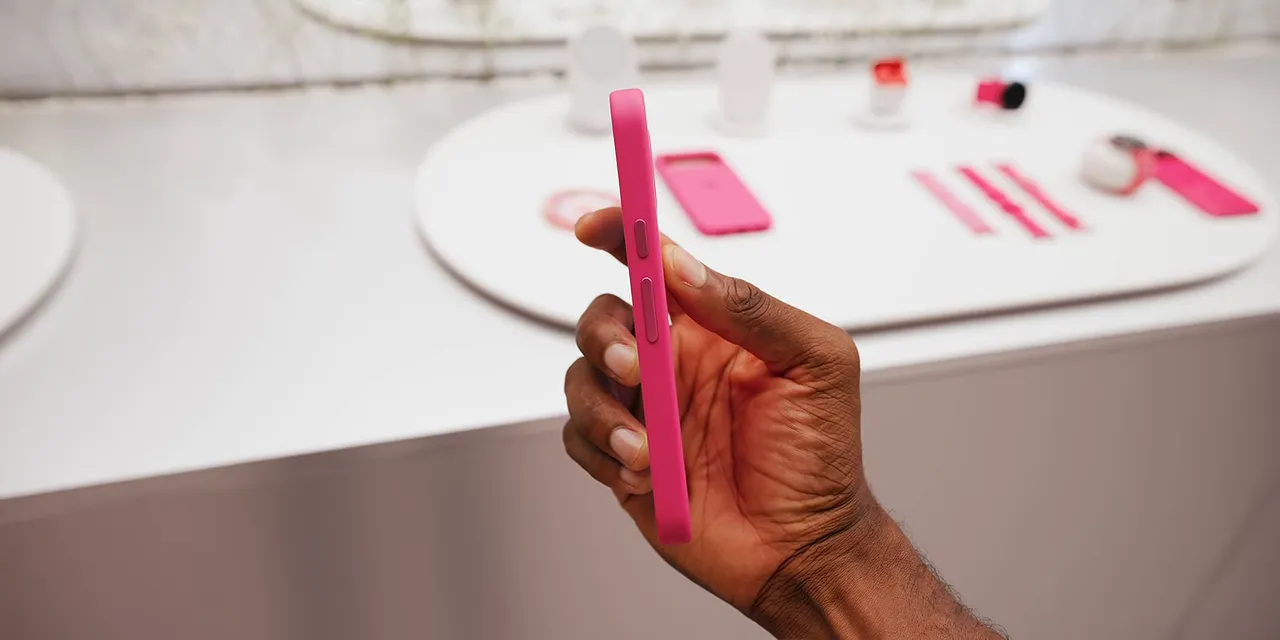
The substantive upgrades are straightforward:
- Main camera: A new, larger 48-megapixel sensor.
- Other rear cameras: The ultrawide and 5x telephoto remain.
- Wireless charging: Up to 25 watts, compared with 15 watts before.
- Magnetic accessories: Pixel Snap magnets are still here.
- Processor and memory: Tensor G6 with 12GB of RAM.
- Base storage: Doubled to 256GB.
The new main camera is something I am looking forward to testing. A larger sensor is promising, but the actual difference in photos matters more than the spec sheet.
The same goes for Tensor G6. The phone felt smooth during my hands-on time, but Pixels usually do at these events. That does not tell me enough about sustained performance, efficiency, or how it behaves after a full day of use. Those need testing.
Then there is the price. The entry point rises by $100 to roughly $900. Essentially, Google has removed the old $800, 128GB configuration and made 256GB the starting point.
More storage is welcome. Finally catching up to the pack is welcome. But it also means there is no longer an $800 option.
Pixel 11 Pro and Pro XL: Brighter Screens, an Awkward RAM Trade-Off
The Pro phones still come in two sizes: the 6.3-inch Pixel 11 Pro and the 6.8-inch Pixel 11 Pro XL. They retain the shinier sides that distinguish the Pro design.
The camera bar has changed slightly. Instead of separate cutouts around the old temperature-sensor and flash area, there is now glass running all the way across the bar. It is a cleaner-looking arrangement, even if the overall phone remains very familiar.
New Cameras, Familiar Ambitions
The main camera gets a new 50-megapixel sensor with a 1/1.3-inch format. That is substantial, and it should give the camera a good foundation for gathering light. There is also a new 48-megapixel telephoto camera, alongside the same 48-megapixel ultrawide.
On paper, that sounds promising. Whether it translates into a meaningful jump in image quality is still an open question.
The Display Upgrade Is Brightness
The Super Actua display is not bigger, higher resolution, or faster in refresh rate. It is brighter: peak brightness rises to 3,600 nits, up from the 2,200-nit figure cited for last year.
I noticed the extra brightness. I also noticed that the slider seemed to keep things relatively restrained for most of its travel, then get extremely bright in the final quarter. Maybe that was my impression in the demo environment, or maybe the tuning needs some work.
Both Pro phones also get 25-watt Qi 2.2 wireless charging. And that is basically the hardware update. No huge silicon-carbon battery, no wildly fast charging, no Snapdragon 8 Elite Gen 5, and no massive 1-inch camera sensor.
More Money, Less Base RAM
Here is where the Pro gets harder to explain.
Last year’s Pixel 10 Pro started at about $1,000 with 16GB of RAM. This year’s Pixel 11 Pro starts at about $1,100 with 12GB of RAM.
More money. Less memory.
The 512GB and 1TB configurations still have 16GB of RAM. It is the 256GB Pro configuration that drops to 12GB. The Pixel 11 Pro XL, meanwhile, starts at roughly $1,300.
This is the pricing and memory squeeze I have been calling RAMageddon. Whatever the underlying costs, the result for the person buying the phone is not especially exciting: a higher entry price and a lower base RAM specification.
Pixel 11 Pro Fold: Better, but Not a Big Step Forward
By the time you get to the Pixel 11 Pro Fold, the pattern is pretty easy to predict. New Tensor G6. New camera bar with Highlight. New 48-megapixel main camera. Slightly faster wireless charging. Brighter displays.
There is also a new hinge mechanism, though the changes it enables are more subtle than what some competing foldables have managed.
- The phone is about 1 millimeter thinner.
- It is slightly lighter overall.
- The inner display bezels are a little slimmer.
Those are improvements. They just do not add up to the kind of generational hardware jump I was hoping for.
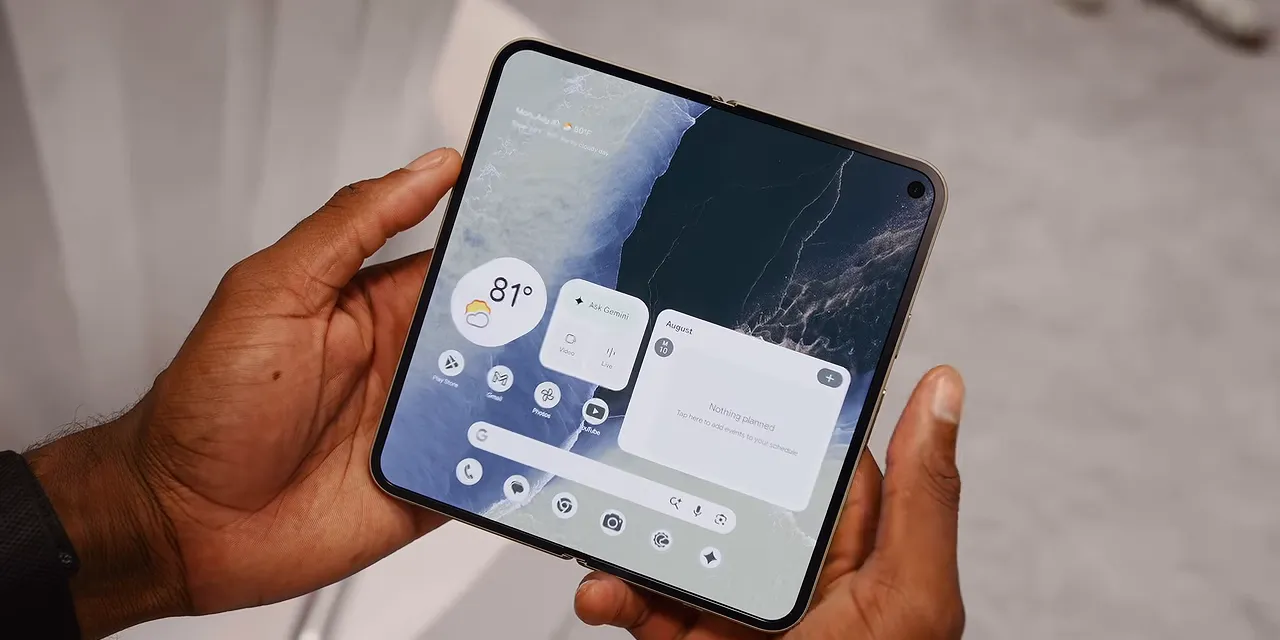
This is not the thinnest foldable out there. The crease is still present. It is not terrible, and it largely fades from your attention when you are focused on the content, but Google has not made the same big step that Samsung, Oppo, and others have.
That matters when you are still paying a premium price.
There are things I continue to really like here. The aspect ratios are excellent. The Fold is great to use closed, which is not something I take for granted with this category. It also retains IP68 dust and water resistance, a distinction many other foldables still cannot claim.
Google also says the new composite glass-fiber back cover should be much harder to crack or break. I was not trying to destroy a demo unit, so that remains a durability claim rather than something I have verified. That can wait for proper testing. A tougher-sounding material is not a reason to assume damage is impossible.
The 256GB Pixel 11 Pro Fold starts at roughly $1,900, another $100 increase. For that money, I would have liked to see Google close more of the hardware gap.
The Software Is Still the Reason to Buy a Pixel
I went back to figure out when I started thinking of Pixels as the smartest smartphones. It was around the Pixel 2 era, nearly nine years ago.
Even then, the appeal was not that Google made the fastest phone, the biggest battery, or the most adventurous hardware. It was that the software did clever, useful things other phones did not.
Nearly a decade later, that is still the pitch.
Features like Call Screening and Now Playing remain the kind of everyday conveniences you miss when you move to another phone. Gemini is woven throughout the experience. And this year adds a few more tricks.
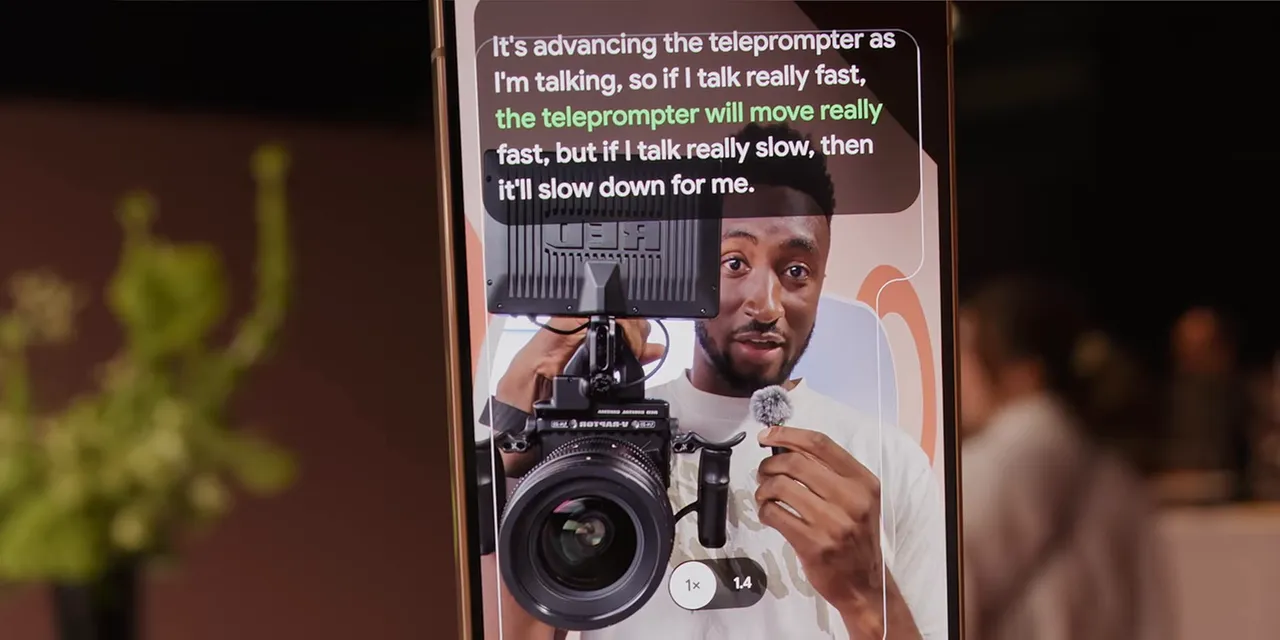
A Teleprompter That Follows Your Voice
The camera now has a built-in teleprompter. You can enter your script, start recording, and have the text advance based on how quickly you speak.
Talk faster, and it moves faster. Slow down, and it follows your pace. That is a genuinely clever addition, and probably a rough day for somebody who makes a third-party teleprompter app.
Faster Night Sight and Smoother Video Zoom
Google also talked about using Tensor for faster Night Sight and smoother zoom while recording 8K video. These are useful improvements, and I appreciate them.
What is less clear is how many will remain exclusive to the Pixel 11 series. I could easily see some of these features reaching older Pixels. That is a possibility, not an announced promise, but it makes new software a less straightforward reason to buy new hardware.
I will still put my eSIM in a Pixel again. Probably the matte black one with the new matte black rails. I will take a lot of photos, shoot video, run benchmarks, and probably get excited about the small conveniences all over again.
The question is how long it takes before I start missing the two-day battery life, 80-watt charging, or substantially less noticeable crease available from some competitors at similarly premium prices.
Pixel Watch 5 and Google Tag
Google also announced two accessories, and both fit neatly into the broader Pixel ecosystem.
Pixel Watch 5
The Pixel Watch 5 looks very much like the Watch 4, which looked very much like the Watch 3. The more interesting changes are inside.
- Processor: An accelerated Snapdragon W5 Gen 2, with Google claiming about 12% faster CPU performance.
- Memory: About 50% more on-device RAM.
- AI features: Generative watch faces and raising your wrist to talk to Gemini, including to start a workout.
- Location: Promised improvements to GPS accuracy.
- Pricing: $399 and $429 for the two sizes.
As with the phones, those performance and accuracy claims need real use before they become conclusions.
Google Tag
Google Tag is exactly what it sounds like: Google’s answer to an AirTag. It is a small tracker that works with Google’s Find Hub, using the reach of Android phones to help locate your things. Google also says Gemini can help you find the tagged item quickly.
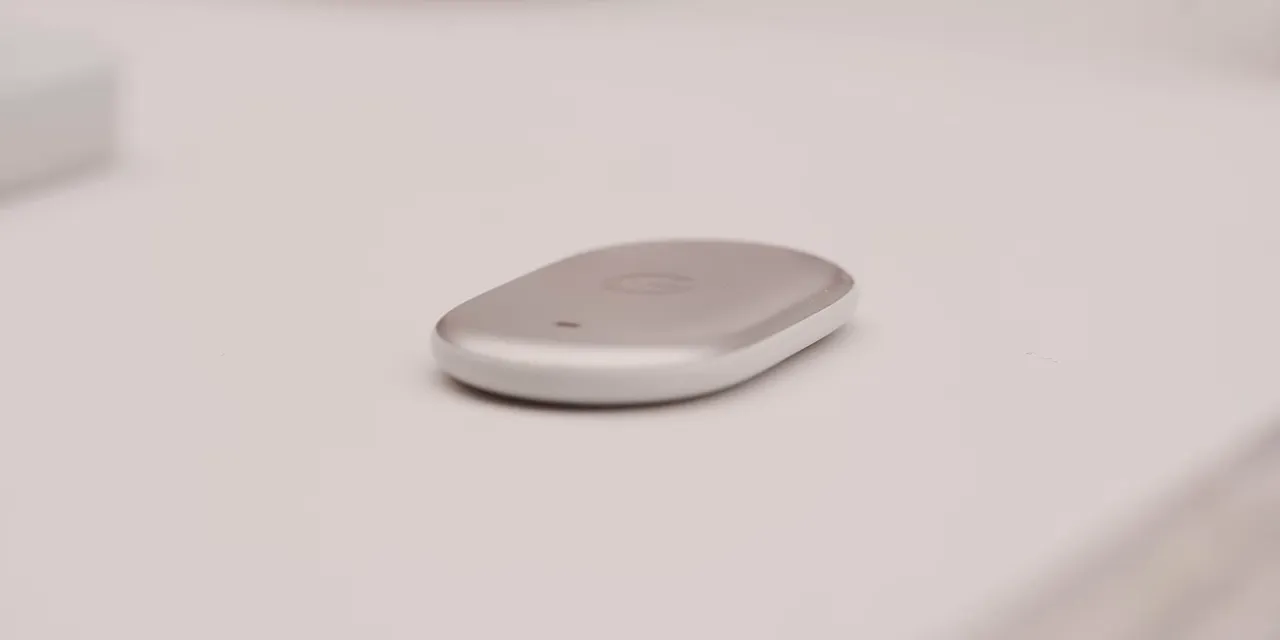
Pricing matches AirTags: $29 for one or $99 for a four-pack. Google Tag ships in November.
The Early Verdict: The Base Pixel Makes the Strongest Case
The Pixel 11 lineup does improve on its predecessor. The cameras have new sensors, wireless charging is faster, the Pro screens are brighter, and the Fold is a little thinner and lighter.
But prices are climbing, the base Pro loses RAM, and the most visibly unusual new hardware feature is limited to a couple of uses. Google still seems unwilling to take many hardware risks, and when it does try something different, the software does not always make enough of it.
Right now, the base Pixel 11 looks closest to a good deal. It is the easiest one in this lineup to make a case for, even with its higher starting price. The Pro and Fold ask for increasingly premium money without delivering the hardware leap I keep hoping for.
A full review may reveal better cameras, better efficiency, or other improvements that are hard to judge in a short hands-on session. For now, though, it is a Pixel. It is what it is.
Sponsor: dbrand Cases for the New Pixels
dbrand has cases ready for the Pixel 11 lineup, including the classic Grip, the Ghost case with its zero-yellowing claim, and the rugged Tank case. Tank is also available for last year’s Pixel 10 series.
For the Pixel 11 Pro Fold, the folding Grip includes spine protection through a magnetic hinge cover. There is also a $5 discount when bundling a case with a screen protector. Alongside Best Buy availability, dbrand says its products will be sold directly in Google Stores for the first time.
|


