I spent two weeks using the Pixel 11 Pro across a pretty good stress test: Spain for a solar eclipse, Ireland for the World Ultimate Frisbee Club Championships, Wisconsin for the Pro Frisbee Championships, and then back home. Most of my daily use was on the Pro XL.
And it’s been great. Reliable. Very good battery life. Really good cameras. Clever software. That should be enough.
But there’s a problem: Pixels are getting more expensive without delivering the best hardware. That’s an awkward combination, especially as the prices climb into enthusiast-phone territory.
Google is still going all in on software. The question is how much extra that software should cost.
Google provided the phones for review.
Quick Summary
- Pixel 11 delivers reliable everyday performance and strong battery life without class-leading enthusiast hardware.
- The Pro cameras earn a B+, with an enjoyable 5x telephoto and some persistent weaknesses.
- Thoughtful software details and seven years of updates remain the Pixel’s biggest strengths.
- The $900 base Pixel is easier to recommend than the increasingly expensive Pro configurations.
The Build Quality Is Not the Problem
When I say the Pixel 11 series doesn’t have the best hardware, I’m not talking about how these phones are built. They’re rock solid.
The signature camera visor is still here, so the phones have character and remain instantly recognizable. The camera bump is a little shallower on the base Pixel, and Google made a particularly nice adjustment to the matte black Pro: matching matte black rails. That’s clean.
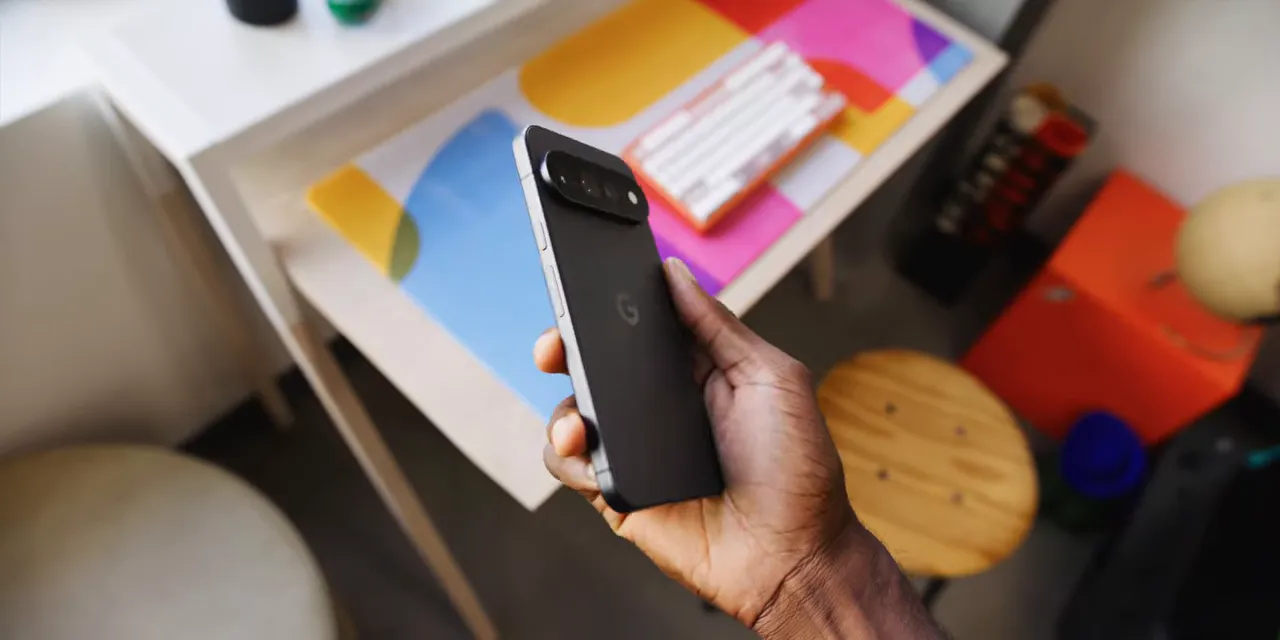
They feel great in the hand, and they have dust and water resistance. Nothing about the construction feels like the weak link.
It’s the hardware inside, and how it compares with what else you can buy, that makes the conversation more complicated.
Tensor G6: Better CPU, Same GPU Story
Every new Pixel gets Tensor G6. CPU performance is up roughly 20% in both single-core and multicore testing compared with Tensor G5. That puts it around the CPU performance of phones running the high-end Snapdragon 8 Elite Gen 5.
The GPU is another story. Those Snapdragon phones are still in a completely different stratosphere.
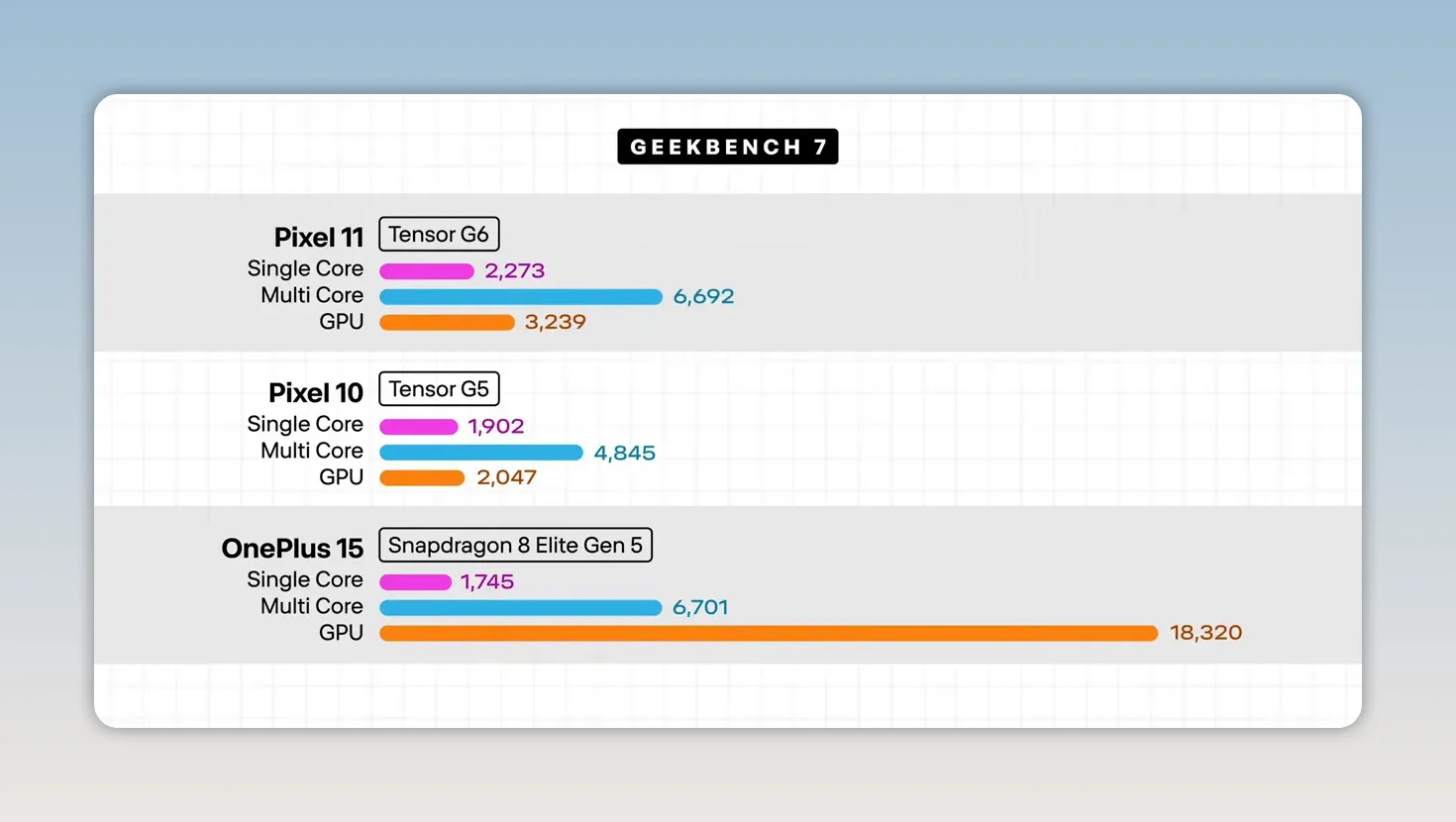
But here’s the important distinction: a phone can have unremarkable enthusiast specs and still be a really good mainstream phone.
Using the Pixel 11 Pro in high-resolution mode, regular tasks have been mostly smooth. Social media, email, web browsing, all fine. Android 17 generally runs well.
I did notice occasional frame drops during heavy multitasking, big full-screen animations, and scrolling through particularly heavy websites with lots of tabs open. So it’s not flawless. But those interruptions weren’t the defining experience.
I also wasn’t doing high-end gaming or editing video on the phone. If those are priorities, the GPU weakness matters a lot more. For my regular use, performance was fine.
Battery Life Is Reassuring. Charging Is Less Impressive.
Tensor G6 also seems pretty efficient. I’ve been getting easy all-day battery life without really second-guessing it.
There were days with more than five hours of screen-on time, sometimes more than six, and still around 30% remaining. That’s with this year’s brighter screen, too.
Would an enthusiast phone with a huge silicon-carbon battery last longer? Absolutely. Pixels still don’t have the biggest batteries. But the actual endurance here has been very good.
Charging is harder to defend. Google’s new Extreme Charging feature works when:
- The feature is enabled.
- The battery is below 50%.
- The phone is connected to a sufficiently powerful charger.
It pauses background activity and temporarily relaxes some thermal management to deliver a quick burst of charge. Despite the name, that burst is only around 30 to 35 watts.
For context, even Samsung’s famously conservative flagships peak at 45 watts. The OnePlus 15 I’ve been daily driving for about a year charges at 80 watts.
So, yes, the Pixel can comfortably get me through the day. No, its charging isn’t especially extreme.
The Cameras: A B+ With a Really Fun Telephoto
Google has upgraded the primary and telephoto cameras on the base Pixel 11. The Pro models get larger, better primary sensors and upgraded 5x telephotos. The ultrawides are unchanged.
After spending most of my time with the Pro XL, I landed at B+ cameras. There’s a lot to like, but also enough to nitpick that I wouldn’t call these the best camera systems available.
The Main Camera and 50-Megapixel Mode
The Pro’s new main sensor is 50 megapixels, and I switched to the full 50-megapixel mode. It takes an extra beat to process each shot, but I think the trade-off is worth it.
Conveniently, the setting stays enabled when you close and reopen the camera. You don’t have to keep asking for it.
The bigger sensors also improve the practical stuff. Night Sight finishes faster because the cameras can collect more light, and low-light photos generally look sharper and less noisy. You still get the punchy, contrasty processing that makes a Pixel photo look like a Pixel photo.
The 5x Camera Is the Highlight
The new zoom camera might actually be my favorite camera on the phone. At the very least, I had more fun with it than with the main camera.
You could make a reasonable argument that 3x is more useful in more situations. But I really enjoyed shooting at 5x, and the extra reach is nice to have.

Keep pushing past the 5x optical focal length, though, and images start getting overprocessed and watercolor-like pretty quickly. This isn’t the zoom king you might find among more ambitious Ultra phones.
And that’s the broader camera-hardware story. There’s no full 1-inch sensor, no 200-megapixel camera, and no 10x optical zoom. Those omissions don’t automatically make the cameras bad, but they do put a ceiling on what you should expect.
The Rough Edges
- The ultrawide is showing its age. It hasn’t changed, and it isn’t particularly impressive.
- Point-light flare remains a problem. Bright lights can create little floating reflections in low-light photos and video, similar to the issue on recent iPhones.
- Video lens changes feel slightly unnatural. Tapping another focal length triggers a ramping transition that I don’t love.
- The camera shortcut is disabled out of the box. Double-pressing the power button no longer opens the camera until you enable it.

That last one is worth fixing immediately. Open Settings, find the double-press power-button option, and set it to launch the camera. It’s much faster than the alternatives.
Overall, these aren’t the sharpest cameras with the biggest zoom or most extravagant sensors. But strong software does a lot of work, and the result is a very good camera experience.
Software Is Still the Reason to Buy a Pixel
If you’re shopping for bleeding-edge specs, you’re looking in the wrong place. What you get instead is lots and lots of really good software.
Beyond Android 17’s bigger features, there are little details that make a Pixel feel unusually thoughtful:
- The volume slider has personality. Drag it to either end and there’s a little momentum and bounce.
- Camera Looks change the character of your photos. They’re a couple of taps away, but creatively, they can make a bigger difference than a sensor-size change.
- The My Pixel app icon matches your phone’s color. You might never notice unless you put another Pixel beside it, but it does.
- Tap-to-share has a polished animation. Sharing between Pixels with Android Quick Share now has that clean, connected feel of AirDrop between iPhones.
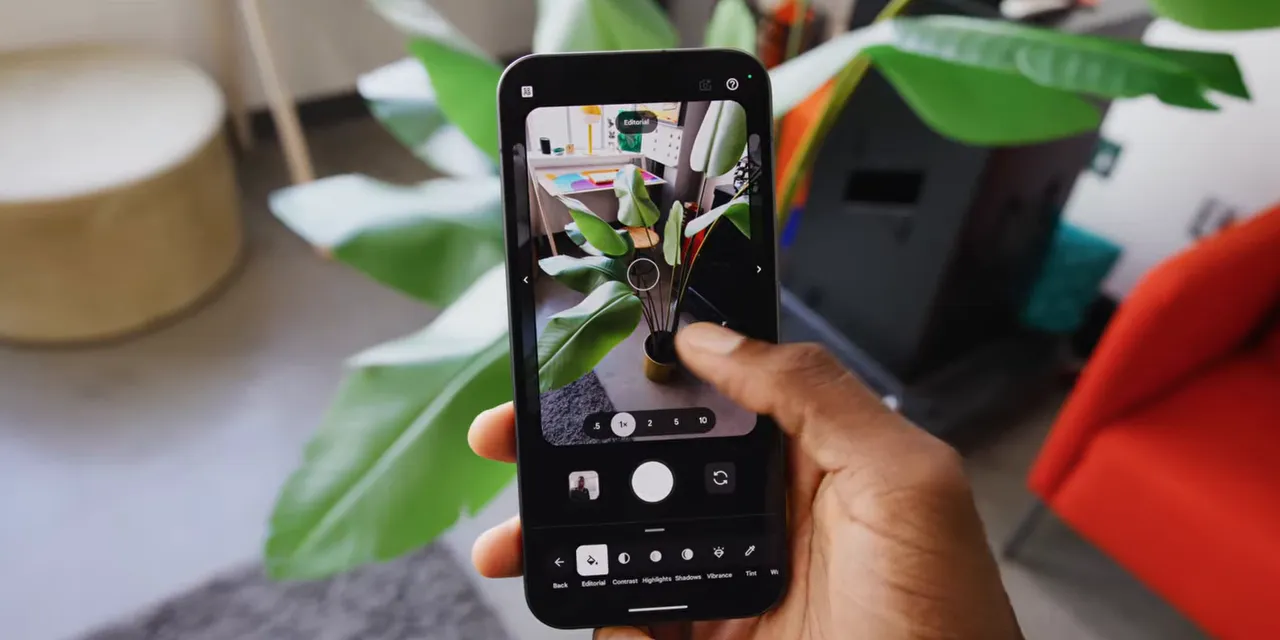
Individually, these are small things. Together, they make the phone clever and fun to use.
Then there’s the longer-term appeal: seven years of software updates and being first in line for whatever Google comes up with next. That’s a meaningful part of the Pixel proposition.
The issue is that the proposition doesn’t scale especially well as you spend more.
Pixel 11 vs. Pro vs. Pro XL: Where the Value Breaks Down
Pixels are software-defined phones. There’s nothing inherently wrong with that. But it means paying extra doesn’t necessarily buy a dramatically more premium hardware experience.
During a RAM shortage and rising costs across the board, that weakness becomes harder to ignore.
Pixel 11: $900
The base Pixel 11 is the one I can most reasonably recommend to most people.
At $900, it isn’t some incredible bargain. But it gives you the core new experience: Tensor G6, a brighter screen, triple cameras, and seven years of software updates.
Basically, it gives you most of the phone you need without paying extra for upgrades that don’t transform the experience.
Pixel 11 Pro: $1,100
The Pro starts at $1,100 and is the same size as the base phone. You get somewhat better cameras, but the core specs and RAM are the same.
You also get Highlight, the little glowing LED on the back that lights up for incoming calls. Honestly, that’s borderline useless to me.
And because the larger cameras need more room, the Pro actually has a slightly smaller battery.
That package doesn’t feel like an $1,100 phone to me.
Pixel 11 Pro XL With 512GB: $1,400
To get the bigger screen and 16GB of RAM, you have to go all the way up to the 512GB Pro XL. That’s $1,400. The RAM amount that last year’s phone started with now requires a much more expensive configuration.
I know trade-in deals can be aggressive. I know lots of people finance their phones in monthly installments. Those things affect what someone actually pays.
But as a reviewer, I still have to point out the underlying value. At $1,200 or $1,400, I want the ultra-high-end hardware along with the great software: stronger graphics, more ambitious cameras, bigger batteries, faster charging.
That isn’t what these Pixels offer.
The Verdict: A Good Phone, a Harder Sell
I’ve genuinely enjoyed using the Pixel 11 Pro XL. These are good phones. They’re reliable, their battery life is reassuring, their cameras are enjoyable, and their software remains the strongest reason to choose one.
The base Pixel 11 is the sensible recommendation. The Pro upgrades are much harder to justify.
Google has always leaned into making the smartest smartphone rather than winning every hardware comparison. If there were ever a moment to change that balance and go harder on hardware, this would be it.
Instead, higher RAM prices and rising costs have made this an especially uncomfortable time to sell a software-first phone at increasingly premium prices.
Either Google really believes in this bet, or that poker face is really good.
Sponsor: Ridge
Ridge sponsored this review and promoted its annual sweepstakes, with two winners able to choose a Hennessey Velociraptor, a Lamborghini Huracán Sterrato, a custom-painted and fully loaded Ford Bronco, or $100,000 cash. Entry was free, with no purchase necessary. Check the promotion page for current availability and official details.
Two accessories also stood out: Ridge’s Android-compatible tracker cards, which fit into wallets and can emit a loud beep to help locate them nearby, and its MagSafe-compatible 5-in-1 power bank. The power bank attaches to and charges the Pixel 10 and 11, with built-in cables for additional devices.
|


